


- Afhalen na 1 uur in een winkel met voorraad
- Gratis thuislevering in België vanaf € 30
- Ruim aanbod met 7 miljoen producten
- Afhalen na 1 uur in een winkel met voorraad
- Gratis thuislevering in België vanaf € 30
- Ruim aanbod met 7 miljoen producten




€ 99,45
+ 198 punten
Omschrijving
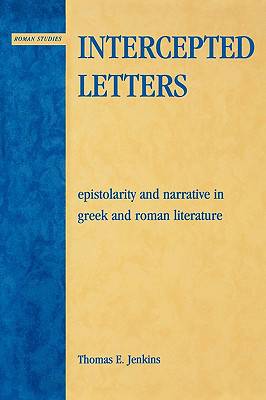
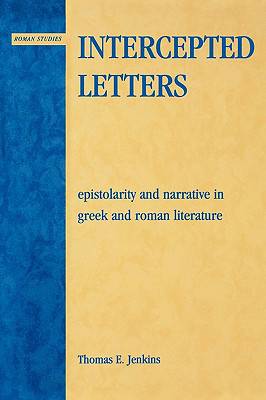
Intercepted Letters examines the phenomenon of epistolarity within a range of classical Greek and Roman texts, with a focus on letters as symbols for larger, culturally constructed processes of reading, writing, and interpretation. In addition, it analyzes how the epistolary form occasionally problematizes-for lack of a better word-the introduction of the technology of writing into cultures already heavily implicated in the authority of the spoken, or sung, word. The methods of intertextuality and reader-response theory that have so revolutionized other aspects of classical scholarship have not, in the main, been applied to epistolarity studies; studies of epistolarity have instead tended to focus on individual collections: Cicero's letters, Pliny's letters, Plato's letters. Epistolarity that occurs in larger narrative contexts (such as tragedy, oratory, and historiography) remains woefully under-theorized; moreover, a consistent thread in the introduction of epistolarity into non-epistolary contexts is that of a destabilizing or dislocating narrative device. Intercepted Letters argues that epistolarity has certain formal features that can be found evenoutside of epistolary collections, including the problematics of communication, an emphasis on authorial absence, a hypersensitivity to interpretation, and an implicit focus on power (who controls the voice?). These aspects are as integral to studies of epistolary episodes as sheep, flutes, shepherds, and amoebic poetry are to pastoral ones, and yet seem to be comparatively neglected, or else formulated as individual observances rather than a pattern. Intercepted Letters thus examines a number of epistolary tropes-in authors as wide-ranging as Euripides, Ovid, and the authors of the Historia Augusta-as it argues for the importance of epistolarity in analyzing the poetics of reading in the ancient world.
Specificaties
Betrokkenen
- Auteur(s):
- Uitgeverij:
Inhoud
- Aantal bladzijden:
- 178
- Taal:
- Engels
- Reeks:
Eigenschappen
- Productcode (EAN):
- 9780739117149
- Verschijningsdatum:
- 27/10/2006
- Uitvoering:
- Hardcover
- Formaat:
- Ongenaaid / garenloos gebonden
- Afmetingen:
- 162 mm x 235 mm
- Gewicht:
- 394 g


Alleen bij Standaard Boekhandel
+ 198 punten op je klantenkaart van Standaard Boekhandel
AANGERADEN


Beoordelingen
We publiceren alleen reviews die voldoen aan de voorwaarden voor reviews. Bekijk onze voorwaarden voor reviews.