


- Afhalen na 1 uur in een winkel met voorraad
- Gratis thuislevering in België vanaf € 30
- Ruim aanbod met 7 miljoen producten
- Afhalen na 1 uur in een winkel met voorraad
- Gratis thuislevering in België vanaf € 30
- Ruim aanbod met 7 miljoen producten





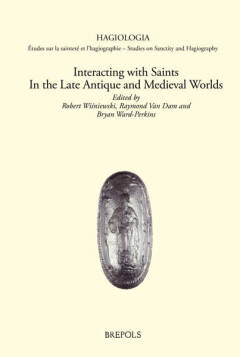
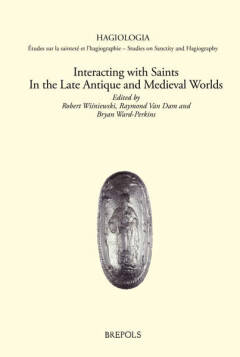
Interacting with Saints in the Late Antique and Medieval Worlds
Robert Wiśniewski
€ 100,70
+ 201 punten
Omschrijving
The cult of saints is one of the most fascinating religious developments of Late Antiquity and the early Middle Ages. Christians admired martyrs already in the second century, but for a long time they perceived them only as examples to follow and believed they could pray directly to God, whom they addressed as 'Our Father'. A new attitude toward saints, now considered above all as powerful friends of God and efficient intercessors, started to emerge in the third century. Once this process gained momentum in the Constantinian era, the cult of saints constantly changed and rapidly adapted to new conditions and demands. This evolution highlighted many factors: the popularity of specific saints and the different types of sanctity, the spread of cults and customs, and the ways in which the saints were described, visualised, and represented. This volume seeks to capture the dynamic of these adaptations, showing both those aspects of cult which evolved quickly and those which remained stable for a long time. It studies the evolution of the cults in a broad period from the third to the seventh centuries and in various regions from Gaul to Georgia, with a particular interest in the two greatest centres of the cult of saints: Rome and Constantinople. In response to changing needs and different circumstances, new generations of believers repeatedly modified the cults of established saints, even as they introduced new saints.
Specificaties
Betrokkenen
- Auteur(s):
- Uitgeverij:
Inhoud
- Aantal bladzijden:
- 282
- Taal:
- Frans
- Reeks:
- Reeksnummer:
- nr. 20
Eigenschappen
- Productcode (EAN):
- 9782503605586
- Verschijningsdatum:
- 2/08/2023
- Uitvoering:
- Hardcover
- Formaat:
- Genaaid
- Afmetingen:
- 163 mm x 241 mm
- Gewicht:
- 612 g


Alleen bij Standaard Boekhandel
+ 201 punten op je klantenkaart van Standaard Boekhandel
Cadeau

AANGERADEN


Beoordelingen
We publiceren alleen reviews die voldoen aan de voorwaarden voor reviews. Bekijk onze voorwaarden voor reviews.