


- Afhalen na 1 uur in een winkel met voorraad
- Gratis thuislevering in België vanaf € 30
- Ruim aanbod met 7 miljoen producten
- Afhalen na 1 uur in een winkel met voorraad
- Gratis thuislevering in België vanaf € 30
- Ruim aanbod met 7 miljoen producten





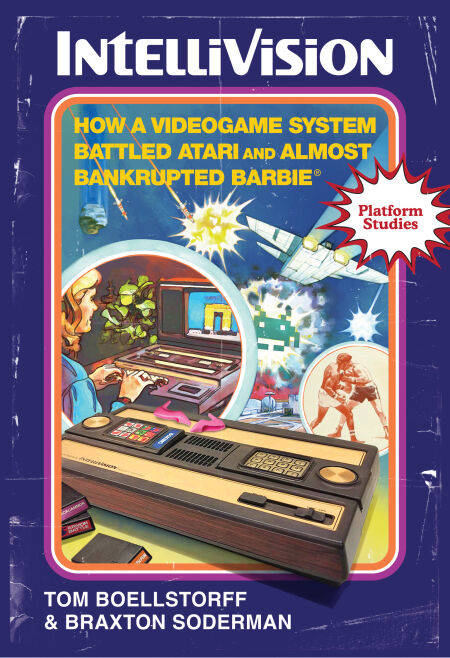
Intellivision E-BOOK
How a Videogame System Battled Atari and Almost Bankrupted Barbie®
Tom Boellstorff, Braxton Soderman
€ 59,14
+ 59 punten
Omschrijving
The engaging story of Intellivision, an overlooked videogame system from the late 1970s and early 1980s whose fate was shaped by Mattel, Atari, and countless others who invented the gaming industry.
Astrosmash, Snafu, Star Strike, Utopia—do these names sound familiar to you? No? Maybe? They were all videogames created for the Intellivision videogame system, sold by Mattel Electronics between 1979 and 1984. This system was Atari’s main rival during a key period when videogames were moving from the arcades into the home. In Intellivision, Tom Boellstorff and Braxton Soderman tell the fascinating inside story of this overlooked gaming system. Along the way, they also analyze Intellivision’s chips and code, games, marketing and business strategies, organizational and social history, and the cultural and economic context of the early US games industry from the mid-1970s to the great videogame industry crash of 1983.
While many remember Atari, Intellivision has largely been forgotten. As such, Intellivision fills a crucial gap in videogame scholarship, telling the story of a console that sold millions and competed aggressively against Atari. Drawing on a wealth of data from both institutional and personal archives and over 150 interviews with programmers, engineers, executives, marketers, and designers, Boellstorff and Soderman examine the relationship between videogames and toys—an under-analyzed aspect of videogame history—and discuss the impact of home computing on the rise of videogames, the gendered implications of play and videogame design at Mattel, and the blurring of work and play in the early games industry.
Astrosmash, Snafu, Star Strike, Utopia—do these names sound familiar to you? No? Maybe? They were all videogames created for the Intellivision videogame system, sold by Mattel Electronics between 1979 and 1984. This system was Atari’s main rival during a key period when videogames were moving from the arcades into the home. In Intellivision, Tom Boellstorff and Braxton Soderman tell the fascinating inside story of this overlooked gaming system. Along the way, they also analyze Intellivision’s chips and code, games, marketing and business strategies, organizational and social history, and the cultural and economic context of the early US games industry from the mid-1970s to the great videogame industry crash of 1983.
While many remember Atari, Intellivision has largely been forgotten. As such, Intellivision fills a crucial gap in videogame scholarship, telling the story of a console that sold millions and competed aggressively against Atari. Drawing on a wealth of data from both institutional and personal archives and over 150 interviews with programmers, engineers, executives, marketers, and designers, Boellstorff and Soderman examine the relationship between videogames and toys—an under-analyzed aspect of videogame history—and discuss the impact of home computing on the rise of videogames, the gendered implications of play and videogame design at Mattel, and the blurring of work and play in the early games industry.
Specificaties
Betrokkenen
- Auteur(s):
- Uitgeverij:
Inhoud
- Aantal bladzijden:
- 432
- Taal:
- Engels
- Reeks:
Eigenschappen
- Productcode (EAN):
- 9780262380546
- Verschijningsdatum:
- 4/11/2024
- Uitvoering:
- E-book
- Beveiligd met:
- Adobe DRM
- Formaat:
- ePub


Alleen bij Standaard Boekhandel
+ 59 punten op je klantenkaart van Standaard Boekhandel
AANGERADEN


Beoordelingen
We publiceren alleen reviews die voldoen aan de voorwaarden voor reviews. Bekijk onze voorwaarden voor reviews.