


- Afhalen na 1 uur in een winkel met voorraad
- Gratis thuislevering in België vanaf € 30
- Ruim aanbod met 7 miljoen producten
- Afhalen na 1 uur in een winkel met voorraad
- Gratis thuislevering in België vanaf € 30
- Ruim aanbod met 7 miljoen producten





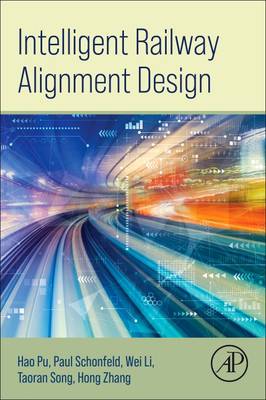
Intelligent Railway Alignment Design
Hao Pu, Paul Schonfeld, Wei Li, Taoran Song, Hong Zhang
Paperback | Engels
€ 272,45
+ 544 punten
Omschrijving
Intelligent Railway Alignment Design offers a comprehensive exploration of intelligent railway alignment optimization. The book considers a variety of critical topics, starting with the optimal selection of key technical standards for railway design and then introduces the comprehensive geographic information model. The methods for evaluating the suitability of the railway alignment based on the comprehensive geographic information model are discussed, together with economic optimization models aimed at cost-effective railway alignment design. In addition, the book considers optimization models for managing risks related to typical geological hazards and minimizing environmental impacts. Intelligent search algorithms for solving railway alignment optimization models are explained in detail, including corridor searching algorithms and 3D alignment searching algorithms. Additionally, the book explores concurrent optimization strategies for coordinating railway alignments with stations and large temporary engineering projects. Finally, it introduces intelligent models and methods for reconstructing and optimizing existing railway alignments, ensuring that both new and updated railways operate efficiently and sustainably.
Specificaties
Betrokkenen
- Auteur(s):
- Uitgeverij:
Inhoud
- Aantal bladzijden:
- 400
- Taal:
- Engels
Eigenschappen
- Productcode (EAN):
- 9780443459238
- Verschijningsdatum:
- 1/07/2026
- Uitvoering:
- Paperback
- Formaat:
- Trade paperback (VS)
- Afmetingen:
- 152 mm x 229 mm
- Gewicht:
- 449 g


Alleen bij Standaard Boekhandel
+ 544 punten op je klantenkaart van Standaard Boekhandel
Cadeau

AANGERADEN


Beoordelingen
We publiceren alleen reviews die voldoen aan de voorwaarden voor reviews. Bekijk onze voorwaarden voor reviews.