


- Afhalen na 1 uur in een winkel met voorraad
- Gratis thuislevering in België vanaf € 30
- Ruim aanbod met 7 miljoen producten
- Afhalen na 1 uur in een winkel met voorraad
- Gratis thuislevering in België vanaf € 30
- Ruim aanbod met 7 miljoen producten





€ 198,45
+ 396 punten
Eenvoudig bestellen
Veilig betalen


Gratis thuislevering vanaf € 30 (via bpost)
Gratis levering in je Standaard Boekhandel
Omschrijving
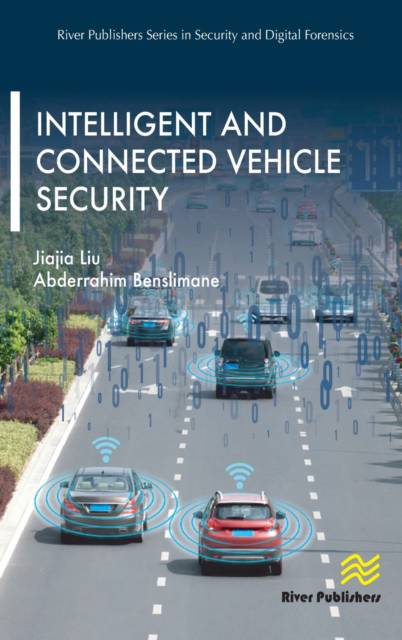
Intelligent and Connected Vehicles (ICVs) are moving into the mainstream of the worldwide automotive industry. A lot of advanced technologies, like artificial intelligence, big data, millimeter wave radar, LiDAR and high-definition camera based real-time environmental perception, etc., are increasingly being applied in ICVs, making them more intelligent and connected with devices surrounding the vehicles. However, although the versatile connection and information exchange among ICVs, external devices and human beings provides vehicles with a better and faster perception of surrounding environments and a better driving experience for users, they also create a series of intrusion portals for malicious attackers which threaten the safety of drivers and passengers. This book is concerned with the recognition and protection against such threats.Security for ICVs includes information across the fields of automobile engineering, artificial intelligence, computer, microelectronics, automatic control, communication technology, big data, edge/cloud computing and others. This book comprehensively and systematically introduces security threats to ICVs coming from automotive technology development, on-board sensors, vehicle networking, automobile communications, intelligent transportation, big data, cloud computing, etc. Then, through discussion of some typical automobile cyber-attack cases studies, readers will gain a deeper understanding of the working principle of ICVs, so that they can test vehicles more objectively and scientifically. In this way they will find the existence of vulnerabilities and security risks and take the corresponding protective measures to prevent malicious attacks.
Specificaties
Betrokkenen
- Auteur(s):
- Uitgeverij:
Inhoud
- Aantal bladzijden:
- 196
- Taal:
- Engels
Eigenschappen
- Productcode (EAN):
- 9788770223676
- Verschijningsdatum:
- 31/05/2021
- Uitvoering:
- Hardcover
- Formaat:
- Genaaid
- Afmetingen:
- 156 mm x 234 mm
- Gewicht:
- 453 g



Alleen bij Standaard Boekhandel
+ 396 punten op je klantenkaart van Standaard Boekhandel
CADEAU

AANGERADEN


Beoordelingen
We publiceren alleen reviews die voldoen aan de voorwaarden voor reviews. Bekijk onze voorwaarden voor reviews.