


- Afhalen na 1 uur in een winkel met voorraad
- Gratis thuislevering in België vanaf € 30
- Ruim aanbod met 7 miljoen producten
- Afhalen na 1 uur in een winkel met voorraad
- Gratis thuislevering in België vanaf € 30
- Ruim aanbod met 7 miljoen producten





€ 220,45
+ 440 punten
Omschrijving
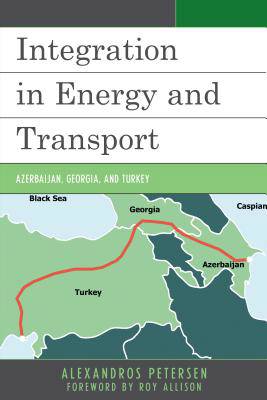
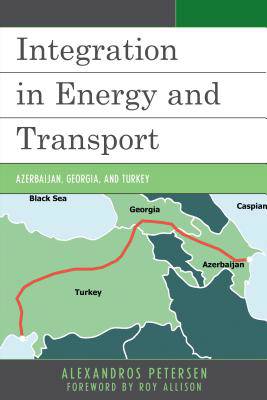
The South Caucasus has established itself as a corridor for transporting energy from Azerbaijan to Georgia, Turkey, and on to Europe, symbolized by the Baku-Tbilisi-Ceyhan oil pipeline. This new infrastructure has created an east-west "Eurasian bridge" in which transnational extra-regional actors, especially the European Union and international financial institutions, have played a critical role. This book offers an original exploration of integration in the energy and transport sectors amongst Azerbaijan, Georgia, and Turkey, and the capacity of this to fundamentally change relations between these countries. In the period studied, from the mid-1990s to 2008, integration in energy and transport did not result in broader political, security, and sociocultural integration in any significant way. The author sets his analysis in a theoretical framework, drawing on theories of integration, but also grounds it in the detailed, empirical knowledge that is the measure of true expertise.
Specificaties
Betrokkenen
- Auteur(s):
- Uitgeverij:
Inhoud
- Aantal bladzijden:
- 246
- Taal:
- Engels
- Reeks:
Eigenschappen
- Productcode (EAN):
- 9781498525534
- Verschijningsdatum:
- 16/06/2016
- Uitvoering:
- Hardcover
- Formaat:
- Genaaid
- Afmetingen:
- 155 mm x 231 mm
- Gewicht:
- 544 g


Alleen bij Standaard Boekhandel
+ 440 punten op je klantenkaart van Standaard Boekhandel
Cadeau

AANGERADEN


Beoordelingen
We publiceren alleen reviews die voldoen aan de voorwaarden voor reviews. Bekijk onze voorwaarden voor reviews.