


- Afhalen na 1 uur in een winkel met voorraad
- Gratis thuislevering in België vanaf € 30
- Ruim aanbod met 7 miljoen producten
- Afhalen na 1 uur in een winkel met voorraad
- Gratis thuislevering in België vanaf € 30
- Ruim aanbod met 7 miljoen producten





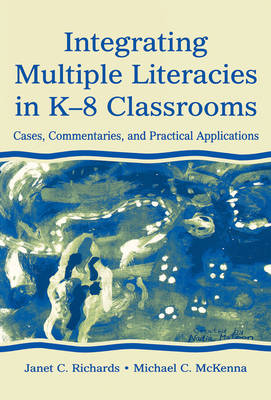
Integrating Multiple Literacies in K-8 Classrooms
Cases, Commentaries, and Practical Applications
Janet C Richards, Michael C McKenna
Hardcover | Engels
€ 389,45
+ 778 punten
Uitvoering
Omschrijving
This text gives prospective and practicing teachers a comprehensive understanding of how to teach multiple literacies in elementary arid middle school classrooms. All of the Iiteracies--dance, music, visual arts, popular culture, media, and computer technologies--are integrated with reading and writing. Balanced treatment is given to theoretical perspectives and practical applications. The text also features authentic cases written by preservice teachers, and commentaries on the cases from practitioners and university professors. The cases are designed to prepare future teachers for the PRAXIS teacher certifying exam and others offered in many states. Three theoretical chapters support the practical applications: Chapter 1 addresses the benefits of writing and analyzing cases and the specific attributes of exemplary teaching cases, and offers guidelines for teachers to author their own case narratives and questions for analyzing and discussing case issues with peers; Chapter 2 discusses the role of electronic symbol making and multiple sign systems in children's literacy and how children use symbols to receive and express meaning; Chapter 3 offers a theoretical framework that helps define and enable teachers to use the new literacies of Internet technology, and provides a strong rationale for expanding traditional definitions of literacy.
Specificaties
Betrokkenen
- Auteur(s):
- Uitgeverij:
Inhoud
- Aantal bladzijden:
- 320
- Taal:
- Engels
Eigenschappen
- Productcode (EAN):
- 9781138423350
- Verschijningsdatum:
- 31/07/2019
- Uitvoering:
- Hardcover
- Formaat:
- Genaaid
- Afmetingen:
- 152 mm x 229 mm
- Gewicht:
- 594 g


Alleen bij Standaard Boekhandel
+ 778 punten op je klantenkaart van Standaard Boekhandel
Cadeau

AANGERADEN


Beoordelingen
We publiceren alleen reviews die voldoen aan de voorwaarden voor reviews. Bekijk onze voorwaarden voor reviews.