


- Afhalen na 1 uur in een winkel met voorraad
- Gratis thuislevering in België vanaf € 30
- Ruim aanbod met 7 miljoen producten
- Afhalen na 1 uur in een winkel met voorraad
- Gratis thuislevering in België vanaf € 30
- Ruim aanbod met 7 miljoen producten





€ 64,45
+ 128 punten
Omschrijving
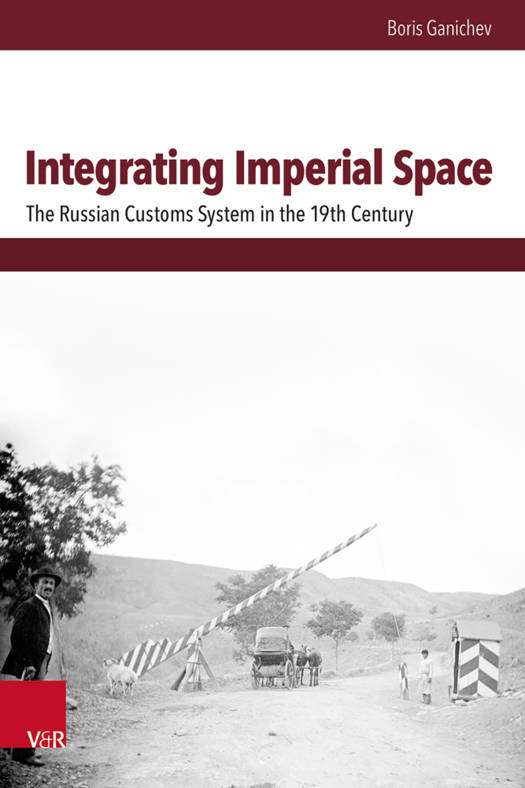
In the second half of the 19th century visions of an infrastructurally integrated imperial space captivated the minds of Russian administrators and businessmen. Infrastructural integration promised to unravel the economic and political potential of the Russian Empire but it also revealed its administrative weakness. The book explores the challenges the Tsarist administration faced in harmonizing the multitudinous regional economic regimes in its vast landed empire. It analyzes conflicting logics towards the imperial space and demonstrates how the modern project of an infrastructurally integrated space limited the leeway in resorting to imperial administrative practices and accelerated the "nationalization" of the Russian Empire's economic space.
Specificaties
Betrokkenen
- Auteur(s):
- Uitgeverij:
Inhoud
- Aantal bladzijden:
- 279
- Taal:
- Engels
- Reeks:
- Reeksnummer:
- nr. 26
Eigenschappen
- Productcode (EAN):
- 9783525302088
- Verschijningsdatum:
- 15/05/2023
- Uitvoering:
- Hardcover
- Formaat:
- Genaaid
- Afmetingen:
- 154 mm x 230 mm
- Gewicht:
- 566 g


Alleen bij Standaard Boekhandel
+ 128 punten op je klantenkaart van Standaard Boekhandel
Cadeau

AANGERADEN


Beoordelingen
We publiceren alleen reviews die voldoen aan de voorwaarden voor reviews. Bekijk onze voorwaarden voor reviews.