


- Afhalen na 1 uur in een winkel met voorraad
- Gratis thuislevering in België vanaf € 30
- Ruim aanbod met 7 miljoen producten
- Afhalen na 1 uur in een winkel met voorraad
- Gratis thuislevering in België vanaf € 30
- Ruim aanbod met 7 miljoen producten





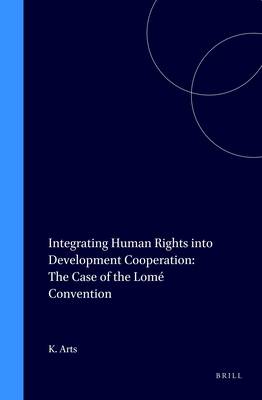
Integrating Human Rights Into Development Cooperation: The Case of the Lomé Convention
Karin Arts
Hardcover | Engels
€ 131,68
+ 263 punten
Eenvoudig bestellen
Veilig betalen


Gratis thuislevering vanaf € 30 (via bpost)
Gratis levering in je Standaard Boekhandel
Omschrijving
Human rights, democracy and governance concerns are prominent elements in the development cooperation policy of the European Community. The relations between the European Community (EC) and 71 developing countries in Africa, the Caribbean and Pacific (ACP) have proved to be a laboratory for developing ideas on these matters, for translating them into binding treaty norms, and for applying them in practice. The experiences gained in the ACP-EC relationship carry special value because they are the product of dialogue and joint decision-making between groups of developed and developing states. Therefore, 25 years of ACP-EC cooperation under the Lomé Convention provide a rich learning ground for anybody involved or interested in (the debate on) linking development cooperation to human rights and to human rights related concerns.
This book explores the international law aspects of the subject. It first investigates the general international legal basis for linking development cooperation to human rights, democracy and good governance. Both the negative and positive ways of making such a linking (by punitive and supportive measures) are addressed. The book then delves into the evolution of Lomé treaty norms on the subject, and into the concrete human rights practices that took shape under them. It explores the contributions to and influence of both the EC and ACP states on those treaty provisions and practices. A comprehensive overview is provided of the support measures and sanctions resorted to in response to the human rights situation in ACP countries. The book assesses the overall experiences gained and presents a synthesis of factors that proved to be constraints or conducive to the efforts to integrate human rights fully into ACP-EC development cooperation. The insights gained could well inform similar efforts undertaken by others.
This book explores the international law aspects of the subject. It first investigates the general international legal basis for linking development cooperation to human rights, democracy and good governance. Both the negative and positive ways of making such a linking (by punitive and supportive measures) are addressed. The book then delves into the evolution of Lomé treaty norms on the subject, and into the concrete human rights practices that took shape under them. It explores the contributions to and influence of both the EC and ACP states on those treaty provisions and practices. A comprehensive overview is provided of the support measures and sanctions resorted to in response to the human rights situation in ACP countries. The book assesses the overall experiences gained and presents a synthesis of factors that proved to be constraints or conducive to the efforts to integrate human rights fully into ACP-EC development cooperation. The insights gained could well inform similar efforts undertaken by others.
Specificaties
Betrokkenen
- Auteur(s):
- Uitgeverij:
Inhoud
- Aantal bladzijden:
- 464
- Taal:
- Engels
Eigenschappen
- Productcode (EAN):
- 9789041113566
- Verschijningsdatum:
- 1/01/2000
- Uitvoering:
- Hardcover
- Formaat:
- Genaaid
- Afmetingen:
- 155 mm x 235 mm
- Gewicht:
- 849 g


Alleen bij Standaard Boekhandel
+ 263 punten op je klantenkaart van Standaard Boekhandel
CADEAU

AANGERADEN


Beoordelingen
We publiceren alleen reviews die voldoen aan de voorwaarden voor reviews. Bekijk onze voorwaarden voor reviews.