


- Afhalen na 1 uur in een winkel met voorraad
- Gratis thuislevering in België vanaf € 30
- Ruim aanbod met 7 miljoen producten
- Afhalen na 1 uur in een winkel met voorraad
- Gratis thuislevering in België vanaf € 30
- Ruim aanbod met 7 miljoen producten





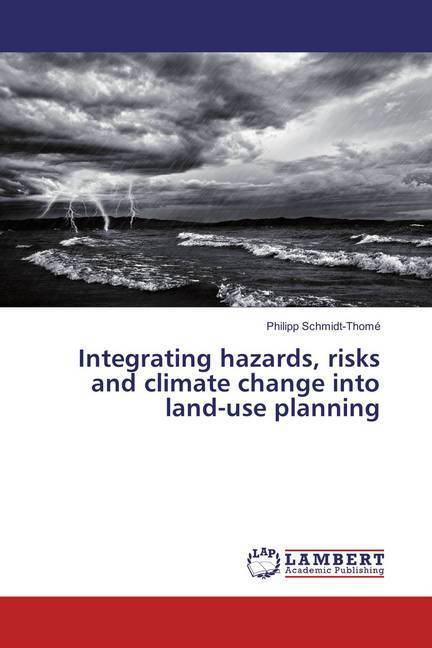
Integrating hazards, risks and climate change into land-use planning
Philipp Schmidt-Thomé
Paperback | Engels
€ 54,45
+ 108 punten
Omschrijving
In the search for appropriate instruments for mitigating impacts of natural hazards and climate change, as well as risks, the integration of these factors into spatial planning practices is constantly receiving higher attention. The focus of most approaches lies on single hazards and climate change mitigation strategies. The current paradigm shift of climate change mitigation to adaptation is used as a basis to draw conclusions and recommendations on what additional concepts could be incorporated into spatial planning practices, and for example, multi-hazard approaches are discussed as an important approach that should be developed further. A special focus lies on the definition and applicability of the terms natural hazard, vulnerability and risk in spatial planning practices. Especially risk concepts are so many-fold and complicated that their application in spatial planning has to be analysed most carefully.
Specificaties
Betrokkenen
- Auteur(s):
- Uitgeverij:
Inhoud
- Aantal bladzijden:
- 88
- Taal:
- Engels
Eigenschappen
- Productcode (EAN):
- 9783659853463
- Uitvoering:
- Paperback
- Afmetingen:
- 150 mm x 220 mm


Alleen bij Standaard Boekhandel
+ 108 punten op je klantenkaart van Standaard Boekhandel
AANGERADEN


Beoordelingen
We publiceren alleen reviews die voldoen aan de voorwaarden voor reviews. Bekijk onze voorwaarden voor reviews.