


- Afhalen na 1 uur in een winkel met voorraad
- Gratis thuislevering in België vanaf € 30
- Ruim aanbod met 7 miljoen producten
- Afhalen na 1 uur in een winkel met voorraad
- Gratis thuislevering in België vanaf € 30
- Ruim aanbod met 7 miljoen producten





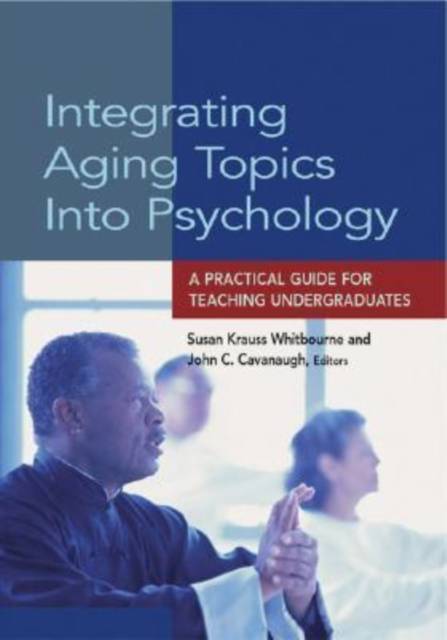
Integrating Aging Topics Into Psychology
A Practical Guide for Teaching Undergraduates
Susan Krauss Whitbourne, John C Cavanaugh
Paperback | Engels
€ 24,45
+ 48 punten
Omschrijving
This edited work provides psychology instructors with practical instruction for integrating ageing and adult development topics into their courses. The field of gerontology is one of the fastest growing areas in psychology. However, most undergraduate psychology students are rarely exposed to research and theory about the topic in their core classes. If a course does include the topic, class time spent covering it is typically insignificant. At the same time, most psychology textbooks lack sufficient information or material about ageing topics. This inadequate coverage of ageing content in psychology courses has created a learning gap for students. provide guidance about ageing topics in the core curriculum, as well as in more specialized areas, such as gender and industrial organizational psychology. The authors not only introduce and discuss different types of ageing content but also present methods for organizing and presenting it within the framework of the regular course structure. They provide simple but effective class exercises and direct instructors to useful supplementary resources. Each chapter also includes an annotated bibliography or resource list. This book provides psychology instructors with useful strategies that will help them introduce their students to the key issues about aging and adult development.
Specificaties
Betrokkenen
- Auteur(s):
- Uitgeverij:
Inhoud
- Aantal bladzijden:
- 237
- Taal:
- Engels
Eigenschappen
- Productcode (EAN):
- 9781557989703
- Verschijningsdatum:
- 28/08/2003
- Uitvoering:
- Paperback
- Formaat:
- Trade paperback (VS)
- Afmetingen:
- 178 mm x 258 mm
- Gewicht:
- 530 g



Alleen bij Standaard Boekhandel
+ 48 punten op je klantenkaart van Standaard Boekhandel
AANGERADEN


Beoordelingen
We publiceren alleen reviews die voldoen aan de voorwaarden voor reviews. Bekijk onze voorwaarden voor reviews.