


- Afhalen na 1 uur in een winkel met voorraad
- Gratis thuislevering in België vanaf € 30
- Ruim aanbod met 7 miljoen producten
- Afhalen na 1 uur in een winkel met voorraad
- Gratis thuislevering in België vanaf € 30
- Ruim aanbod met 7 miljoen producten





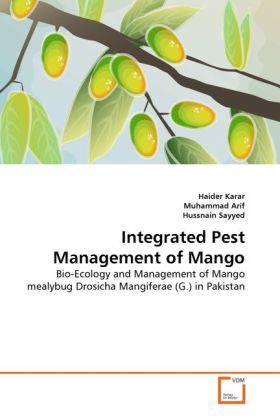
Integrated Pest Management of Mango
Bio-Ecology and Management of Mango mealybug Drosicha Mangiferae (G.) in Pakistan
Haider Karar, Muhammad Arif, Hussnain Sayyed
Paperback | Engels
€ 77,95
+ 155 punten
Omschrijving
The study was conducted on bio-ecology and management of mango mealybug Drosicha mangiferae (Green) in mango orchards of Punjab Pakistan. It was found that the Chaunsa' cultivar was the most susceptible to mango mealybug followed by Fajri', Langra' and Black Chaunsa, whereas Dusehri' was resistant. Irrigation was the major source of flare up of the pest as viewed by the majority of the respondents. The practices like hoeing, ploughing, irrigation, removal of weeds, grease bands and insecticides were adapted by the respondents with variable results. With chemical analysis maximum carbohydrates contents were observed in the cultivar Chaunsa' (susceptible to the pest), whereas minimum carbohydrates contents were observed in the cultivar Tukhmi' resistant to the pest. The maximum decrease in number of fruits was recorded 11 percent on cultivar Anwar Ratul', whereas Langra' cultivar showed minimum decrease in number of fruits i.e., 3 percent over untreated trees.
Specificaties
Betrokkenen
- Auteur(s):
- Uitgeverij:
Inhoud
- Aantal bladzijden:
- 216
- Taal:
- Engels
Eigenschappen
- Productcode (EAN):
- 9783639328578
- Verschijningsdatum:
- 6/02/2011
- Uitvoering:
- Paperback
- Afmetingen:
- 152 mm x 229 mm
- Gewicht:
- 322 g


Alleen bij Standaard Boekhandel
+ 155 punten op je klantenkaart van Standaard Boekhandel
Cadeau

AANGERADEN


Beoordelingen
We publiceren alleen reviews die voldoen aan de voorwaarden voor reviews. Bekijk onze voorwaarden voor reviews.