


- Afhalen na 1 uur in een winkel met voorraad
- Gratis thuislevering in België vanaf € 30
- Ruim aanbod met 7 miljoen producten
- Afhalen na 1 uur in een winkel met voorraad
- Gratis thuislevering in België vanaf € 30
- Ruim aanbod met 7 miljoen producten





€ 57,95
+ 115 punten
Omschrijving
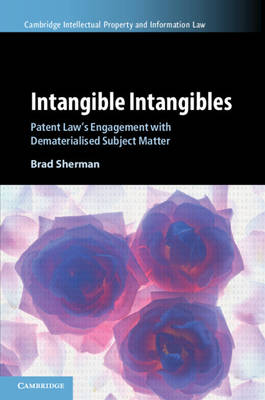
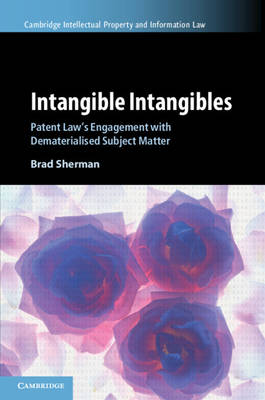
This book takes as its starting point recent debates over the dematerialisation of subject matter which have arisen because of changes in information technology, molecular biology, and related fields that produced a subject matter with no obvious material form or trace. Arguing against the idea that dematerialisation is a uniquely twenty-first century problem, this book looks at three situations where US patent law has already dealt with a dematerialised subject matter: nineteenth century chemical inventions, computer-related inventions in the 1970s, and biological subject matter across the twentieth century. In looking at what we can learn from these historical accounts about how the law responded to a dematerialised subject matter and the role that science and technology played in that process, this book provides a history of patentable subject matter in the United States. This title is available as Open Access on Cambridge Core.
Specificaties
Betrokkenen
- Auteur(s):
- Uitgeverij:
Inhoud
- Aantal bladzijden:
- 304
- Taal:
- Engels
- Reeks:
- Reeksnummer:
- nr. 63
Eigenschappen
- Productcode (EAN):
- 9781009479608
- Verschijningsdatum:
- 09/05/2024
- Uitvoering:
- Paperback
- Formaat:
- Trade paperback (VS)
- Afmetingen:
- 152 mm x 229 mm
- Gewicht:
- 408 g


Alleen bij Standaard Boekhandel
+ 115 punten op je klantenkaart van Standaard Boekhandel
Cadeau

AANGERADEN


Beoordelingen
We publiceren alleen reviews die voldoen aan de voorwaarden voor reviews. Bekijk onze voorwaarden voor reviews.