


- Afhalen na 1 uur in een winkel met voorraad
- Gratis thuislevering in België vanaf € 30
- Ruim aanbod met 7 miljoen producten
- Afhalen na 1 uur in een winkel met voorraad
- Gratis thuislevering in België vanaf € 30
- Ruim aanbod met 7 miljoen producten





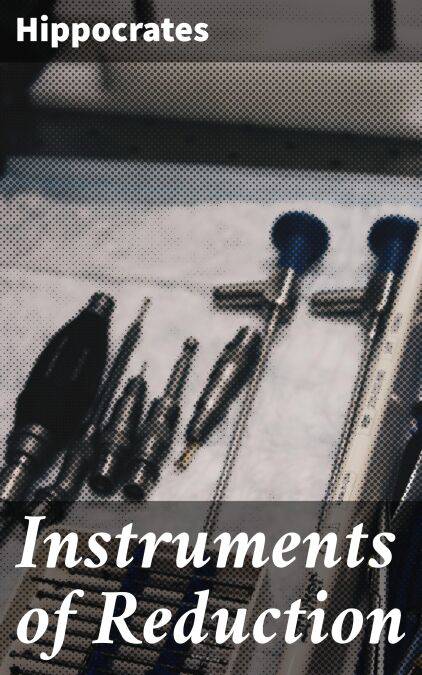
Instruments of Reduction E-BOOK
A Comprehensive Guide to Ancient Surgical Instruments and Techniques
Hippocrates
E-book | Engels
€ 1,99
+ 1 punten
Omschrijving
In "Instruments of Reduction," Hippocrates articulates a pioneering approach to medicine, intertwining clinical observations with a rigorous analytical framework. This work stands at the intersection of ancient philosophy and practical medicine, employing a systematic style that blends empirical evidence with ethical considerations. Hippocrates's examination of the body reflects a deep understanding of the physiological as well as the psychological factors influencing health, paving the way for a holistic perspective that is still relevant today. The text is insightful not only for its medical applications but also for its reflections on the nature of suffering and healing within the human experience. Hippocrates, often referred to as the Father of Medicine, was a monumental figure in ancient Greece whose contributions laid the groundwork for future medical practice. A physician from Kos, he profoundly influenced both his contemporaries and generations of healers to come. His experiences with patients, realms of ethics, and the observation of disease informed his writing, which sought to elevate medicine to a systematic discipline grounded in reason rather than superstition. His dedication to observational rigor distinguishes his work from his predecessors. This essential read is recommended for anyone interested in the origins of medical thought and practice. "Instruments of Reduction" offers timeless wisdom that resonates with both modern practitioners and scholars, encouraging a reflective and compassionate approach to healing. Engage with Hippocrates's insights as they challenge and enlighten our understanding of health, illness, and the intricate dance between the two.
Specificaties
Betrokkenen
- Auteur(s):
- Vertaler(s):
- Uitgeverij:
Inhoud
- Aantal bladzijden:
- 22
- Taal:
- Engels
Eigenschappen
- Productcode (EAN):
- 4064066464561
- Verschijningsdatum:
- 9/04/2021
- Uitvoering:
- E-book
- Beveiligd met:
- Digital watermarking
- Formaat:
- ePub


Alleen bij Standaard Boekhandel
+ 1 punten op je klantenkaart van Standaard Boekhandel
Cadeau

AANGERADEN


Beoordelingen
We publiceren alleen reviews die voldoen aan de voorwaarden voor reviews. Bekijk onze voorwaarden voor reviews.