


- Afhalen na 1 uur in een winkel met voorraad
- Gratis thuislevering in België vanaf € 30
- Ruim aanbod met 7 miljoen producten
- Afhalen na 1 uur in een winkel met voorraad
- Gratis thuislevering in België vanaf € 30
- Ruim aanbod met 7 miljoen producten





Omschrijving
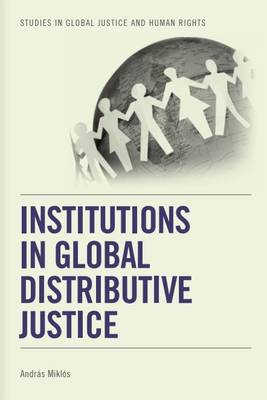
Defining an institution as a public system of rules that sets out positions, rights and duties, this book uses a philosophical argument to analyse the roles that social, economic and political institutions play in conditioning the justification, scope and content of principles of justice. It critically evaluates a number of positions about the role of institutions in generating requirements of distributive justice and considers their implications for the scope - global or otherwise - of justice. It then develops a novel theory about the role political and economic institutions play in determining the content of requirements of distributive justice and, in a cosmopolitan argument against statist positions, shows how they can affect the scope of application of these requirements.
Specificaties
Betrokkenen
- Auteur(s):
- Uitgeverij:
Inhoud
- Aantal bladzijden:
- 192
- Taal:
- Engels
- Reeks:
Eigenschappen
- Productcode (EAN):
- 9780748644711
- Verschijningsdatum:
- 20/02/2013
- Uitvoering:
- Hardcover
- Formaat:
- Genaaid
- Afmetingen:
- 155 mm x 236 mm
- Gewicht:
- 476 g


Alleen bij Standaard Boekhandel
Cadeau

AANGERADEN


Beoordelingen
We publiceren alleen reviews die voldoen aan de voorwaarden voor reviews. Bekijk onze voorwaarden voor reviews.