


- Afhalen na 1 uur in een winkel met voorraad
- Gratis thuislevering in België vanaf € 30
- Ruim aanbod met 7 miljoen producten
- Afhalen na 1 uur in een winkel met voorraad
- Gratis thuislevering in België vanaf € 30
- Ruim aanbod met 7 miljoen producten





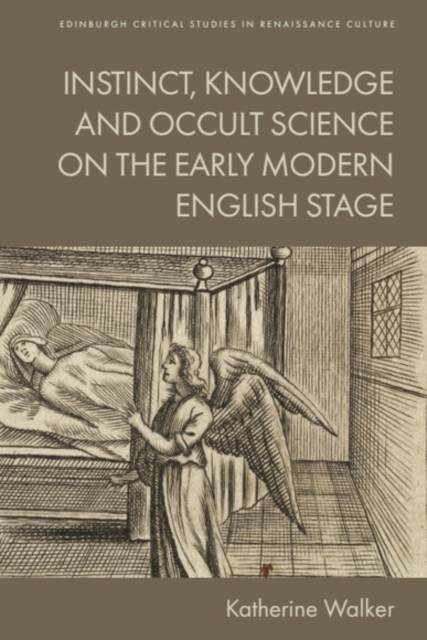
Instinct, Knowledge and Occult Science on the Early Modern English Stage
Katherine Walker
€ 133,45
+ 266 punten
Omschrijving
In Instinct, Knowledge and Occult Science on the Early Modern English Stage, Katherine Walker focuses on embodied experiences in the theater and the debates within the sciences that eventually fell out of favor but interlaced "gut feelings" with observational practice. She examines understudied occult sciences, looking to genres such as almanacs, witchcraft pamphlets and demonologies. As Walker argues, the early modern discourse of instinct registers shifting appraisals of the body's role in making new knowledge. Unlike reason, instinct allowed anyone--a witch, an animal or a queen--to interpret a complex, animate environment. This knowledge was not only a seductive idea, but also opened up a range of debates on the limits of human cognition, the rights of marginalised individuals to offer new understanding, and the contours of what we can know about the environment.
Specificaties
Betrokkenen
- Auteur(s):
- Uitgeverij:
Inhoud
- Aantal bladzijden:
- 256
- Taal:
- Engels
- Reeks:
Eigenschappen
- Productcode (EAN):
- 9781399548120
- Verschijningsdatum:
- 30/09/2026
- Uitvoering:
- Hardcover
- Formaat:
- Genaaid
- Afmetingen:
- 156 mm x 234 mm


Alleen bij Standaard Boekhandel
+ 266 punten op je klantenkaart van Standaard Boekhandel

Beoordelingen
We publiceren alleen reviews die voldoen aan de voorwaarden voor reviews. Bekijk onze voorwaarden voor reviews.