


- Afhalen na 1 uur in een winkel met voorraad
- Gratis thuislevering in België vanaf € 30
- Ruim aanbod met 7 miljoen producten
- Afhalen na 1 uur in een winkel met voorraad
- Gratis thuislevering in België vanaf € 30
- Ruim aanbod met 7 miljoen producten





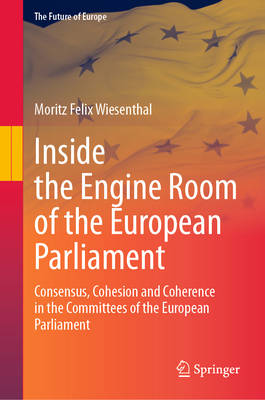
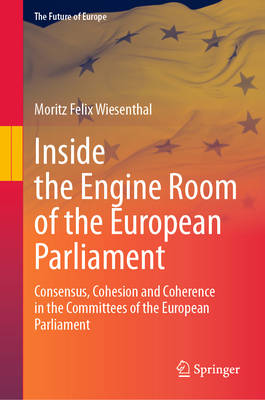
Inside the Engine Room of the European Parliament
Consensus, Cohesion and Coherence in the Committees of the European Parliament
Moritz Felix Wiesenthal
€ 162,45
+ 324 punten
Omschrijving
Parliamentary committees play a decisive role in lawmaking, yet their internal dynamics remain largely unexplored in political science - particularly when it comes to voting behavior. This book breaks new ground by systematically analyzing committee-level voting in the European Parliament (EP), drawing on an original dataset that covers the EP's 8th legislative term (2014 - 2019). It offers the first comprehensive empirical assessment of how consensus, cohesion and coherence emerge within committees and how these dynamics shape legislative outcomes. Through rigorous analysis, the book reveals how internal committee decisions influence the EP's institutional role, legislative efficiency, and democratic legitimacy. It situates the EP--characterized by strong committees and exceptional transparency--within comparative parliamentary research and uses it as a lens to explore broader questions of legislative governance within the European Union and beyond. By linking empirical findings to key theoretical debates, this book contributes to a deeper understanding of legislative behavior, institutional negotiation, and the evolving nature of parliamentary democracy. As such, it is an essential resource for scholars of EU politics, legislative studies, and institutional theory.
Specificaties
Betrokkenen
- Auteur(s):
- Uitgeverij:
Inhoud
- Aantal bladzijden:
- 257
- Taal:
- Engels
- Reeks:
Eigenschappen
- Productcode (EAN):
- 9783032248657
- Verschijningsdatum:
- 30/06/2026
- Uitvoering:
- Hardcover
- Formaat:
- Genaaid
- Afmetingen:
- 155 mm x 235 mm


Alleen bij Standaard Boekhandel
+ 324 punten op je klantenkaart van Standaard Boekhandel
Cadeau

AANGERADEN


Beoordelingen
We publiceren alleen reviews die voldoen aan de voorwaarden voor reviews. Bekijk onze voorwaarden voor reviews.