



Je cadeautjes zeker op tijd in huis hebben voor de feestdagen? Kom langs in onze winkels en vind het perfecte geschenk!
- Afhalen na 1 uur in een winkel met voorraad
- Gratis thuislevering in België vanaf € 30
- Ruim aanbod met 7 miljoen producten
Je cadeautjes zeker op tijd in huis hebben voor de feestdagen? Kom langs in onze winkels en vind het perfecte geschenk!
- Afhalen na 1 uur in een winkel met voorraad
- Gratis thuislevering in België vanaf € 30
- Ruim aanbod met 7 miljoen producten





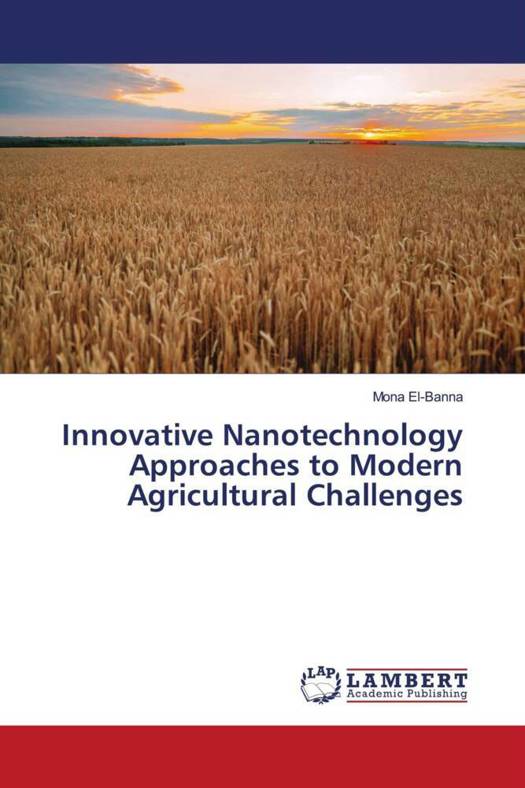
Innovative Nanotechnology Approaches to Modern Agricultural Challenges
Mona El-Banna
Paperback | Engels
€ 61,45
+ 122 punten
Omschrijving
The agricultural sector is significantly impacted by climate change, leading to increased occurrences of droughts, floods, and heatwaves, which affect crop yields and soil quality. This issue is compounded by a rising agricultural water demand projected to double by 2050, alongside decreasing freshwater supplies, intensifying the need for sustainable agricultural solutions. Nanotechnology offers promising approaches to improve agricultural sustainability through the use of slow-release fertilizers, targeted pesticide delivery, and disease-detecting sensors that reduce chemical usage and pollution. Additionally, nanotechnology enables sustainable pest control methods, such as green synthesis of antibacterial nanomaterials, improving environmental outcomes. Compared to traditional biotechnology, nanotechnology provides precise intervention in plant biochemical processes, enhancing crop yields, nutrient absorption, and soil quality while supporting wastewater treatment and resilience against environmental stress.
Specificaties
Betrokkenen
- Auteur(s):
- Uitgeverij:
Inhoud
- Aantal bladzijden:
- 84
- Taal:
- Engels
Eigenschappen
- Productcode (EAN):
- 9783659821004
- Verschijningsdatum:
- 12/12/2024
- Uitvoering:
- Paperback
- Formaat:
- Trade paperback (VS)
- Afmetingen:
- 152 mm x 229 mm
- Gewicht:
- 136 g


Alleen bij Standaard Boekhandel
+ 122 punten op je klantenkaart van Standaard Boekhandel
CADEAU


Beoordelingen
We publiceren alleen reviews die voldoen aan de voorwaarden voor reviews. Bekijk onze voorwaarden voor reviews.