


- Afhalen na 1 uur in een winkel met voorraad
- Gratis thuislevering in België vanaf € 30
- Ruim aanbod met 7 miljoen producten
- Afhalen na 1 uur in een winkel met voorraad
- Gratis thuislevering in België vanaf € 30
- Ruim aanbod met 7 miljoen producten





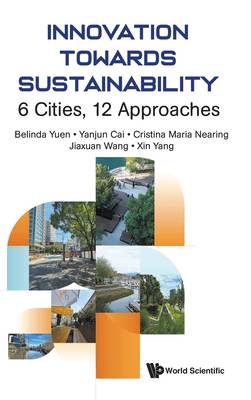
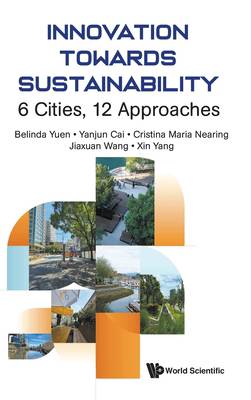
Innovation Towards Sustainability: 6 Cities, 12 Approaches
Belinda Yuen, Yanjun Cai, Cristina Maria Nearing, Jiaxuan Wang, Xin Yang
Hardcover | Engels
€ 172,45
+ 344 punten
Omschrijving
Using mixed methods research including archival research, case studies, and interviews, this book examines how urban innovation approaches and strategies progress through their inception, initiation, implementation, institutionalisation, integration with infrastructure, and eventual impact. The analysis reveals how technologies, people, and institutions interact across socio-technical systems to achieve economic, environmental, and social sustainability. Challenges, critical success factors and potential pitfalls are highlighted. How are cities leveraging healthy, liveable, and green neighbourhoods to address current, complex and interconnected urban challenges? Review the solutions development experience of six global and liveable cities with different culture, context, and resources -- Chicago, Melbourne, Seoul, Shenzhen, Vancouver, and Vienna.The book concludes with an Urban Innovation Action Framework, aligned with UN-Habitat key considerations for sustainable development. The action framework identifies nine levers for enabling healthy, liveable, and green neighbourhoods -- capital attraction, citizen participation, collaborative governance, communication, connectivity, contact with nature, consolidated climate action, coordination, and culture. The book is essential reading for city and sub-city stakeholders including government authorities, private sector developer organisations, local businesses, residents and communities interested in the transition to healthy, liveable, green neighbourhoods as catalysts for change in urban sustainable development.
Specificaties
Betrokkenen
- Auteur(s):
- Uitgeverij:
Inhoud
- Aantal bladzijden:
- 300
- Taal:
- Engels
Eigenschappen
- Productcode (EAN):
- 9789819825943
- Verschijningsdatum:
- 5/06/2026
- Uitvoering:
- Hardcover
- Formaat:
- Genaaid


Alleen bij Standaard Boekhandel
+ 344 punten op je klantenkaart van Standaard Boekhandel
Cadeau

AANGERADEN


Beoordelingen
We publiceren alleen reviews die voldoen aan de voorwaarden voor reviews. Bekijk onze voorwaarden voor reviews.