



Bedankt voor het vertrouwen het afgelopen jaar! Om jou te bedanken bieden we GRATIS verzending (in België) aan op alles gedurende de hele maand januari.
- Afhalen na 1 uur in een winkel met voorraad
- In januari gratis thuislevering in België
- Ruim aanbod met 7 miljoen producten
Bedankt voor het vertrouwen het afgelopen jaar! Om jou te bedanken bieden we GRATIS verzending (in België) aan op alles gedurende de hele maand januari.
- Afhalen na 1 uur in een winkel met voorraad
- In januari gratis thuislevering in België
- Ruim aanbod met 7 miljoen producten





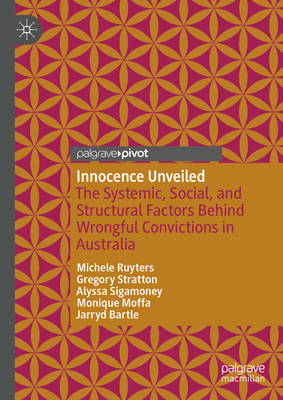
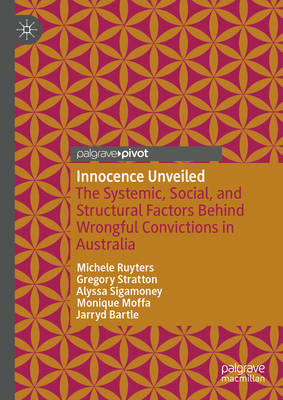
Innocence Unveiled
The Systemic, Social, and Structural Factors Behind Wrongful Convictions in Australia
Michele Ruyters, Gregory Stratton, Alyssa Sigamoney, Monique Moffa, Jarryd Bartle
Hardcover | Engels
€ 42,95
+ 85 punten
Omschrijving
The book examines the unique dynamics surrounding wrongful convictions, particularly in Australia. Transcending the established understanding of wrongful conviction that emerged from the US innocence movement, the book provides a holistic insight into errors in the Australian justice and legal systems that lead to acknowledged and legally unacknowledged errors. Built upon the experiences of the country's innocence projects, the book moves beyond the established causal factors recognized in the international experience of wrongful conviction to highlight structural and systemic elements that contribute to miscarriages of justice around the world. By offering a global perspective on the struggles of the wrongfully convicted, the book provides a nuanced discussion of why the innocent are convicted of crimes they did not commit and why overturning these errors is increasingly complex and difficult, and more so outside of America. It also presents the risk of wrongful conviction from the perspective of innocence project practitioners who work with cases that can progress through appeal structures and those that unfortunately do not meet the requirements despite evidence of their client's innocence. Overall, the book expands discussions of what factors contribute to wrongful conviction to support more advocacy, research, and policy reform across legal and justice systems.
Specificaties
Betrokkenen
- Auteur(s):
- Uitgeverij:
Inhoud
- Aantal bladzijden:
- 174
- Taal:
- Engels
Eigenschappen
- Productcode (EAN):
- 9783031913426
- Verschijningsdatum:
- 25/07/2025
- Uitvoering:
- Hardcover
- Formaat:
- Genaaid
- Afmetingen:
- 142 mm x 201 mm
- Gewicht:
- 362 g


Alleen bij Standaard Boekhandel
+ 85 punten op je klantenkaart van Standaard Boekhandel
SOLDEN


Beoordelingen
We publiceren alleen reviews die voldoen aan de voorwaarden voor reviews. Bekijk onze voorwaarden voor reviews.