


- Afhalen na 1 uur in een winkel met voorraad
- Gratis thuislevering in België vanaf € 30
- Ruim aanbod met 7 miljoen producten
- Afhalen na 1 uur in een winkel met voorraad
- Gratis thuislevering in België vanaf € 30
- Ruim aanbod met 7 miljoen producten





€ 228,95
+ 457 punten
Omschrijving
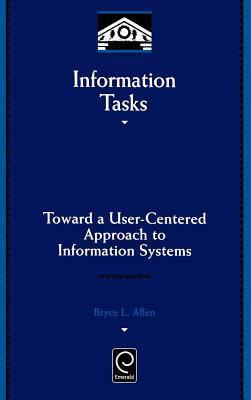
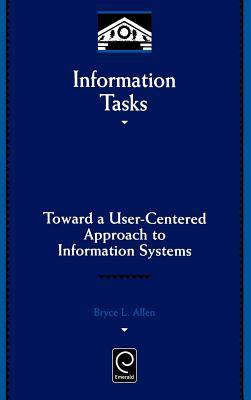
The user-centered approach is central to the creation of usable information systems, services, and institutions. Information system design should derive from user research into information needs, tasks accomplished in meeting those needs, and resources used in the tasks. "Information Tasks" summarizes user research, then presents design sketches of systems that illustrate how design is linked to research. Also discussed are usable information services and an overview of the organization and economics of information institutions. This comprehensive user-centered approach provides an agenda for information research, design, and education that challenges many accepted beliefs and suggests new directions for information work. "Information Tasks" is of interest to library and information science students and faculty interested in information storage and retrieval, user studies, and systems analysis design. Students and scholars of human factors in systems design, human-computer interaction, and cognitive engineering also find the text useful. It reviews user research from many disciplines, and links research to practical design issues. It provides a unified model for user studies and user-centered design, and includes how-to summaries of design chapters. It shows how designers can investigate their user communities. It provides a general template for the design process. It integrates all aspects of information design, and discusses library issues in the larger information context.
Specificaties
Betrokkenen
- Auteur(s):
- Uitgeverij:
Inhoud
- Aantal bladzijden:
- 308
- Taal:
- Engels
- Reeks:
- Reeksnummer:
- nr. 96
Eigenschappen
- Productcode (EAN):
- 9780120510405
- Verschijningsdatum:
- 9/10/1996
- Uitvoering:
- Hardcover
- Formaat:
- Genaaid
- Afmetingen:
- 156 mm x 234 mm
- Gewicht:
- 598 g


Alleen bij Standaard Boekhandel
+ 457 punten op je klantenkaart van Standaard Boekhandel
Cadeau

AANGERADEN


Beoordelingen
We publiceren alleen reviews die voldoen aan de voorwaarden voor reviews. Bekijk onze voorwaarden voor reviews.