


- Afhalen na 1 uur in een winkel met voorraad
- Gratis thuislevering in België vanaf € 30
- Ruim aanbod met 7 miljoen producten
- Afhalen na 1 uur in een winkel met voorraad
- Gratis thuislevering in België vanaf € 30
- Ruim aanbod met 7 miljoen producten





Omschrijving
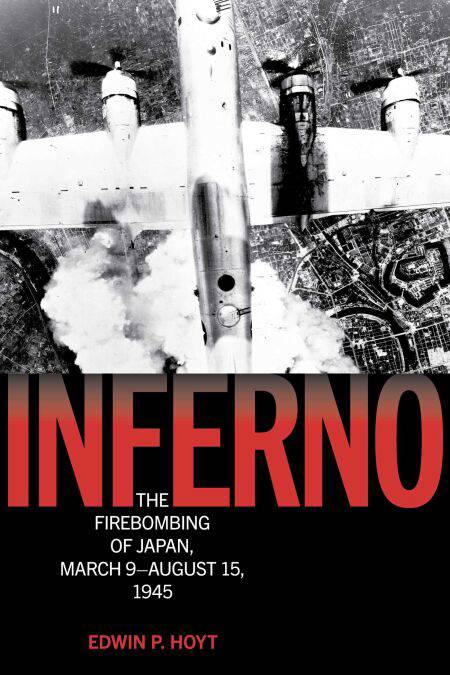
Did the bombing of Japan's cities—culminating in the nuclear destruction of Hiroshima and Nagasaki—hasten the end of World War II? Edwin Hoyt, World War II scholar and author, argues against the U.S. justification of the bombing. In Inferno, Hoyt shows how the United States bombed without discrimination, hurting Japanese civilians far more than the Japanese military. Hoyt accuses Major General Curtis LeMay, the Air Force leader who helped plan the destruction of Dresden, of committing a war crime through his plan to burn Japan's major cities to the ground.
The firebombing raids conducted by LeMay's squadrons caused far more death than the two atomic blasts. Throughout cities built largely from wood, incendiary bombs started raging fires that consumed houses and killed hundreds of thousands of men, women, and children. The survivors of the raids recount their stories in Inferno, remembering their terror as they fled to shelter through burning cities, escaping smoke, panicked crowds, and collapsing buildings.
Hoyt's descriptions of the widespread death and destruction of Japan depicts a war machine operating without restraint. Inferno offers a provocative look at what may have been America's most brutal policy during the years of World War II.
The firebombing raids conducted by LeMay's squadrons caused far more death than the two atomic blasts. Throughout cities built largely from wood, incendiary bombs started raging fires that consumed houses and killed hundreds of thousands of men, women, and children. The survivors of the raids recount their stories in Inferno, remembering their terror as they fled to shelter through burning cities, escaping smoke, panicked crowds, and collapsing buildings.
Hoyt's descriptions of the widespread death and destruction of Japan depicts a war machine operating without restraint. Inferno offers a provocative look at what may have been America's most brutal policy during the years of World War II.
Specificaties
Betrokkenen
- Auteur(s):
- Uitgeverij:
Inhoud
- Aantal bladzijden:
- 184
- Taal:
- Engels
- Reeks:
Eigenschappen
- Productcode (EAN):
- 9781493090686
- Verschijningsdatum:
- 4/11/2024
- Uitvoering:
- E-book
- Beveiligd met:
- Adobe DRM
- Formaat:
- ePub


Alleen bij Standaard Boekhandel
Cadeau

AANGERADEN


Beoordelingen
We publiceren alleen reviews die voldoen aan de voorwaarden voor reviews. Bekijk onze voorwaarden voor reviews.