


- Afhalen na 1 uur in een winkel met voorraad
- Gratis thuislevering in België vanaf € 30
- Ruim aanbod met 7 miljoen producten
- Afhalen na 1 uur in een winkel met voorraad
- Gratis thuislevering in België vanaf € 30
- Ruim aanbod met 7 miljoen producten





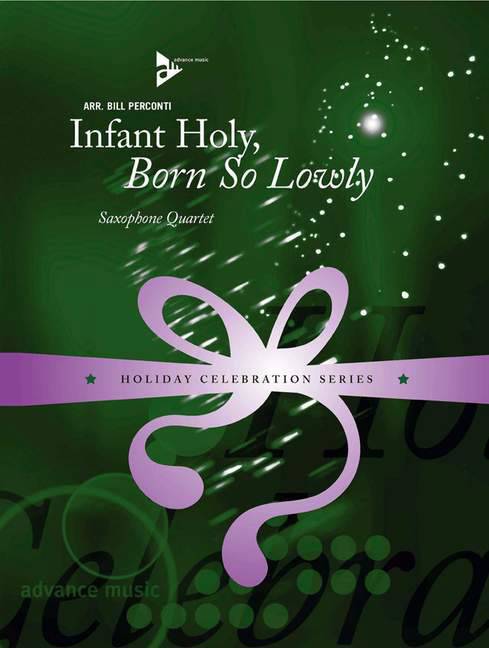
Omschrijving
Hymns and Carols are the two main sources for the melodies that are associated with traditional Christmas music. While hymns are predominately sacred, the historical roots of carols are in religious and pagan folk music and dance. The latter association with pagan and dance music has throughout history brought carols alternatively in and out of favor with Christmas worship. Fortunately, interest in Christmas music grew in the 20th century, and has led to the popularity it presently enjoys.
Infant Holy, Born So Lowly is one of the oldest traditional Polish Christmas songs. A simple folk tune, the origins of this stately melody (W Zlobie Lezy) date from the 13th or 14th century. The lyrics depict a manger song, and the music has been used as a circle dance. Infant Holy, Born So Lowly is found in present day hymnals. This arrangement for saxophone quartet, rather than favoring a soprano solo with accompaniment, strives to include all the players in the music making, particularly by distributing melodic material. In addition, all dynamics and articulations, minimally marked, should be taken as suggestions only, as performers are encouraged to make their own interpretations.
Instrumentation:
4 saxophones (SATBar)
Infant Holy, Born So Lowly is one of the oldest traditional Polish Christmas songs. A simple folk tune, the origins of this stately melody (W Zlobie Lezy) date from the 13th or 14th century. The lyrics depict a manger song, and the music has been used as a circle dance. Infant Holy, Born So Lowly is found in present day hymnals. This arrangement for saxophone quartet, rather than favoring a soprano solo with accompaniment, strives to include all the players in the music making, particularly by distributing melodic material. In addition, all dynamics and articulations, minimally marked, should be taken as suggestions only, as performers are encouraged to make their own interpretations.
Instrumentation:
4 saxophones (SATBar)
Specificaties
Betrokkenen
- Uitgeverij:
Inhoud
- Aantal bladzijden:
- 12
- Reeks:
Eigenschappen
- Productcode (EAN):
- 9783892215820
- Verschijningsdatum:
- 1/01/2009
- Afmetingen:
- 231 mm x 303 mm
- Gewicht:
- 100 g

Alleen bij Standaard Boekhandel
+ 33 punten op je klantenkaart van Standaard Boekhandel
Cadeau

AANGERADEN


Beoordelingen
We publiceren alleen reviews die voldoen aan de voorwaarden voor reviews. Bekijk onze voorwaarden voor reviews.