


- Afhalen na 1 uur in een winkel met voorraad
- Gratis thuislevering in België vanaf € 30
- Ruim aanbod met 7 miljoen producten
- Afhalen na 1 uur in een winkel met voorraad
- Gratis thuislevering in België vanaf € 30
- Ruim aanbod met 7 miljoen producten





€ 68,90
+ 137 punten
Omschrijving
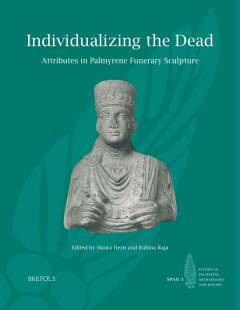
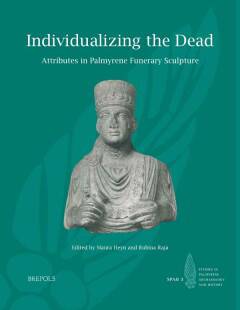
During the Roman era, when the ancient city of Palmyra was at the height of its powers, several thousand funerary portraits were sculpted, each carefully crafted to represent the men, women, and children who had once lived there as members of the Palmyrene elite. In their commemorative monuments, these individuals were given specific attributes to express their social status, wealth, identity, and skills. This volume provides an in-depth exploration of different aspects of these funerary portraits, and illuminates in particular the addition of attributes and how and why they were used by both artists and their patrons. The eight contributions gathered here examine the range of choices available to commissioners of art works in Palmyra, the prevalence or rarity of specific attributes, and the ways in which the variation and selection of attributes could be used in funerary, religious, or public contexts to express social cohesion and group identity, as well as to demonstrate individuality. Crucially, while these funerary monuments may be closely associated with Palmyra, they in fact provide clear evidence of the city's relationships across the wider region: examination of the different attributes suggests that the Palmyrenes were aware of how these were used, perceived, and adapted by neighbouring people as a way of transmitting various social meanings and expressing their own values.
Specificaties
Betrokkenen
- Auteur(s):
- Uitgeverij:
Inhoud
- Aantal bladzijden:
- 156
- Taal:
- Engels
- Reeks:
- Reeksnummer:
- nr. 3
Eigenschappen
- Productcode (EAN):
- 9782503591261
- Verschijningsdatum:
- 3/06/2021
- Uitvoering:
- Paperback
- Formaat:
- Trade paperback (VS)
- Gewicht:
- 1369 g


Alleen bij Standaard Boekhandel
+ 137 punten op je klantenkaart van Standaard Boekhandel
Cadeau

AANGERADEN


Beoordelingen
We publiceren alleen reviews die voldoen aan de voorwaarden voor reviews. Bekijk onze voorwaarden voor reviews.