


- Afhalen na 1 uur in een winkel met voorraad
- Gratis thuislevering in België vanaf € 30
- Ruim aanbod met 7 miljoen producten
- Afhalen na 1 uur in een winkel met voorraad
- Gratis thuislevering in België vanaf € 30
- Ruim aanbod met 7 miljoen producten





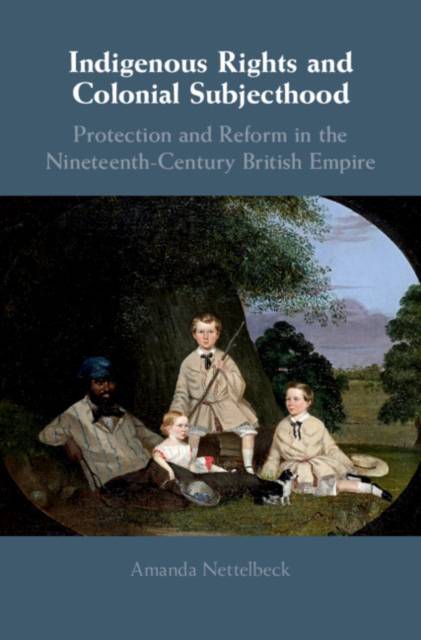
Indigenous Rights and Colonial Subjecthood
Protection and Reform in the Nineteenth-Century British Empire
Amanda Nettelbeck
Hardcover | Engels
€ 172,95
+ 345 punten
Uitvoering
Omschrijving
Amanda Nettelbeck explores how policies designed to protect the civil rights of indigenous peoples across the British Empire were entwined with reforming them as governable colonial subjects. The nineteenth-century policy of 'Aboriginal protection' has usually been seen as a fleeting initiative of imperial humanitarianism, yet it sat within a larger set of legally empowered policies for regulating new or newly-mobile colonised peoples. Protection policies drew colonised peoples within the embrace of the law, managed colonial labour needs, and set conditions on mobility. Within this comparative frame, Nettelbeck traces how the imperative to protect indigenous rights represented more than an obligation to mitigate the impacts of colonialism and dispossession. It carried a far-reaching agenda of legal reform that arose from the need to manage colonised peoples in an Empire where the demands of humane governance jostled with colonial growth.
Specificaties
Betrokkenen
- Auteur(s):
- Uitgeverij:
Inhoud
- Aantal bladzijden:
- 240
- Taal:
- Engels
Eigenschappen
- Productcode (EAN):
- 9781108471756
- Verschijningsdatum:
- 28/03/2019
- Uitvoering:
- Hardcover
- Formaat:
- Genaaid
- Afmetingen:
- 229 mm x 236 mm
- Gewicht:
- 498 g


Alleen bij Standaard Boekhandel
+ 345 punten op je klantenkaart van Standaard Boekhandel
AANGERADEN


Beoordelingen
We publiceren alleen reviews die voldoen aan de voorwaarden voor reviews. Bekijk onze voorwaarden voor reviews.