


- Afhalen na 1 uur in een winkel met voorraad
- Gratis thuislevering in België vanaf € 30
- Ruim aanbod met 7 miljoen producten
- Afhalen na 1 uur in een winkel met voorraad
- Gratis thuislevering in België vanaf € 30
- Ruim aanbod met 7 miljoen producten





€ 69,45
+ 138 punten
Uitvoering
Eenvoudig bestellen
Veilig betalen


Gratis thuislevering vanaf € 30 (via bpost)
Gratis levering in je Standaard Boekhandel
Omschrijving
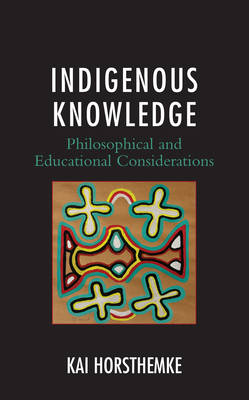
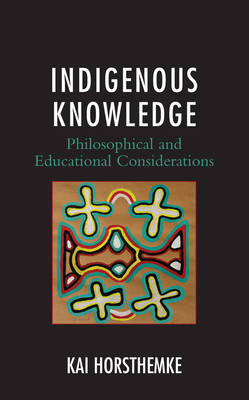
Although the manifestation of what is taken to be indigenous knowledge could presumably be traced back roughly to the origins of humankind, the idea of indigenous knowledge is a fairly recent phenomenon. It has arguably gained conceptual and discursive currency only over the past half century, with a veritable slew of conferences, workshops, special journal editions, and anthologies devoted to the topic. Yet, there has been no treatise that offers a comprehensive, critical examination of this notion. Accounts of indigenous knowledge usually focus on explanations of "indigenous," "local," "traditional," "African" and the like - but to date not a single defense of indigenous knowledge has bothered to explain the particular understanding of "knowledge" the authors are working with. Indigenous Knowledge: Philosophical and Educational Considerations's critique of the idea of indigenous knowledge should in no way be understood as an endorsement of the evils of colonial conquest and (ongoing) exploitation, oppression, and subjugation. Nor should it be taken as an indication of a failure on the part of the Kai Horsthemke to sympathize with the struggle of indigenous peoples the world over for a dignified and sustainable way of life, for personal and communal space, and for self-determination. The aim of the book is to provide especially "indigenous" educators with theoretical tools for critical reflection and interrogation of their own and others' preconceptions, assumptions, and epistemic practices and customs.
Specificaties
Betrokkenen
- Auteur(s):
- Uitgeverij:
Inhoud
- Aantal bladzijden:
- 294
- Taal:
- Engels
Eigenschappen
- Productcode (EAN):
- 9781793604187
- Verschijningsdatum:
- 14/04/2023
- Uitvoering:
- Paperback
- Formaat:
- Trade paperback (VS)
- Afmetingen:
- 152 mm x 229 mm
- Gewicht:
- 435 g


Alleen bij Standaard Boekhandel
+ 138 punten op je klantenkaart van Standaard Boekhandel
CADEAU

AANGERADEN


Beoordelingen
We publiceren alleen reviews die voldoen aan de voorwaarden voor reviews. Bekijk onze voorwaarden voor reviews.