


- Afhalen na 1 uur in een winkel met voorraad
- Gratis thuislevering in België vanaf € 30
- Ruim aanbod met 7 miljoen producten
- Afhalen na 1 uur in een winkel met voorraad
- Gratis thuislevering in België vanaf € 30
- Ruim aanbod met 7 miljoen producten





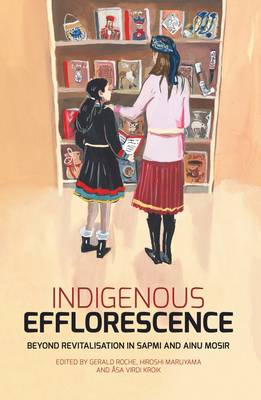
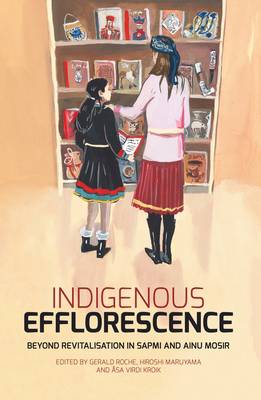
Indigenous Efflorescence
Beyond Revitalisation in Sapmi and Ainu Mosir
€ 54,45
+ 108 punten
Omschrijving
Indigenous efflorescence refers to the surprising economic prosperity, demographic increase and cultural renaissance currently found amongst many Indigenous communities around the world. This book moves beyond a more familiar focus on 'revitalisation' to situate these developments within their broader political and economic contexts. The materials in this volume also examine the everyday practices and subjectivities of Indigenous efflorescence and how these exist in tension with ongoing colonisation of Indigenous lands, and the destabilising impacts of global neoliberal capitalism. Contributions to this volume include both research articles and shorter case studies, and are drawn from amongst the Ainu and Sami (Saami/Sámi) peoples (in Ainu Mosir in northern Japan, and Sapmi in northern Europe, respectively). This volume will be of use to scholars working on contemporary Indigenous issues, as well as to Indigenous peoples engaged in linguistic and cultural revitalisation, and other aspects of Indigenous efflorescence.
Specificaties
Betrokkenen
- Uitgeverij:
Inhoud
- Aantal bladzijden:
- 266
- Taal:
- Engels, Zuid-Samisch
- Reeks:
Eigenschappen
- Productcode (EAN):
- 9781760462628
- Verschijningsdatum:
- 14/12/2018
- Uitvoering:
- Paperback
- Formaat:
- Trade paperback (VS)
- Afmetingen:
- 153 mm x 234 mm
- Gewicht:
- 494 g

Alleen bij Standaard Boekhandel
+ 108 punten op je klantenkaart van Standaard Boekhandel
Cadeau

AANGERADEN


Beoordelingen
We publiceren alleen reviews die voldoen aan de voorwaarden voor reviews. Bekijk onze voorwaarden voor reviews.