


- Afhalen na 1 uur in een winkel met voorraad
- Gratis thuislevering in België vanaf € 30
- Ruim aanbod met 7 miljoen producten
- Afhalen na 1 uur in een winkel met voorraad
- Gratis thuislevering in België vanaf € 30
- Ruim aanbod met 7 miljoen producten





€ 98,45
+ 196 punten
Omschrijving
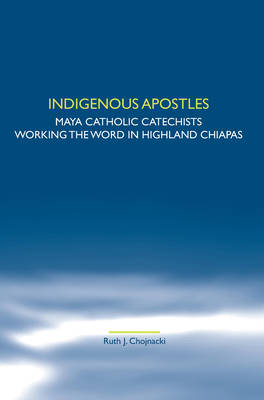
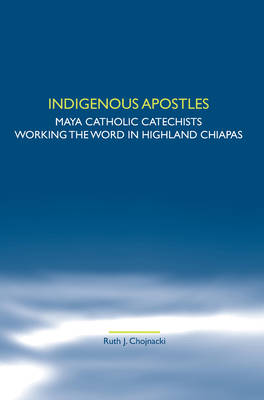
Indigenous Apostles tells the story of conversion to Catholicism and birth of new ecclesial community with the arrival of Vatican II mission in Santa Maria Magdalenas, a Tzotzil-speaking village in Mexico's Maya highlands. In the state of Chiapas, the nation's erratic advance into the global market beginning in the 1970s drove landless young Magdaleneros to search for alternatives to peasant peonage. A few became catechists in the Diocese of San Cristóbal de Las Casas. Cognitive entailments of newly-acquired biblical literacy warranted the subsequent critique of local Tzotzil tradition - costumbre - through which they reclaimed their ancestral land. This ethnographic account of their dialectical passage from the way of the ancestors to communion with the world Catholic Church demonstrates local constraints on liberation mission strategy and the power of indigenous agency in their own evangelization. It also points to the salience of place and everyday productive practice for native construction of local theology in the context of the new globalization.
Specificaties
Betrokkenen
- Auteur(s):
- Uitgeverij:
Inhoud
- Aantal bladzijden:
- 208
- Taal:
- Engels
- Reeks:
- Reeksnummer:
- nr. 46
Eigenschappen
- Productcode (EAN):
- 9789042028722
- Verschijningsdatum:
- 1/01/2010
- Uitvoering:
- Paperback
- Formaat:
- Trade paperback (VS)
- Afmetingen:
- 155 mm x 234 mm
- Gewicht:
- 294 g


Alleen bij Standaard Boekhandel
+ 196 punten op je klantenkaart van Standaard Boekhandel
CADEAU


Beoordelingen
We publiceren alleen reviews die voldoen aan de voorwaarden voor reviews. Bekijk onze voorwaarden voor reviews.