


- Afhalen na 1 uur in een winkel met voorraad
- Gratis thuislevering in België vanaf € 30
- Ruim aanbod met 7 miljoen producten
- Afhalen na 1 uur in een winkel met voorraad
- Gratis thuislevering in België vanaf € 30
- Ruim aanbod met 7 miljoen producten





€ 11,66
+ 11 punten
Omschrijving
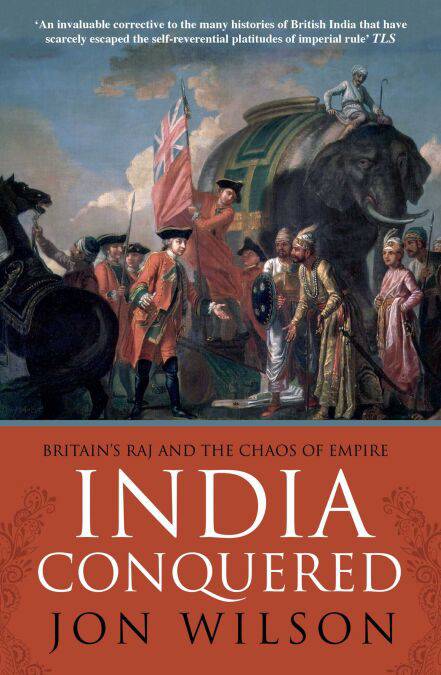
For the century and a half before the Second World War, Britain dominated the Indian subcontinent. Britain’s East India Company ruled enclaves of land in South Asia for a century and a half before that. For these 300 years, conquerors and governors projected themselves as heroes and improvers. The British public were sold an image of British authority and virtue. But beneath the veneer of pomp and splendour, British rule in India was anxious, fragile and fostered chaos.
Britain’s Indian empire was built by people who wanted to make enough money to live well back in Britain, to avoid humiliation and danger, to put their narrow professional expertise into practice. The institutions they created, from law courts to railway lines, were designed to protect British power without connecting with the people they ruled. The result was a precarious regime that provided Indian society with no leadership, and which oscillated between paranoid paralysis and occasional moments of extreme violence. The lack of affection between rulers and ruled finally caused the system’s collapse. But even after its demise, the Raj lives on in the false idea of the efficacy of centralized, authoritarian power.
Indians responded to the peculiar nature of British power by doing things for themselves, creating organisations and movements that created an order and prosperity of its own. India Conquered revises the way we think about nation-building as much as empire, showing how many of the institutions that shaped twentieth century India, Pakistan and Bangladesh were built in response to British power. The result is an engaging story vital for anyone who wants to understand the history of empires and the origins of contemporary South Asian society.
Britain’s Indian empire was built by people who wanted to make enough money to live well back in Britain, to avoid humiliation and danger, to put their narrow professional expertise into practice. The institutions they created, from law courts to railway lines, were designed to protect British power without connecting with the people they ruled. The result was a precarious regime that provided Indian society with no leadership, and which oscillated between paranoid paralysis and occasional moments of extreme violence. The lack of affection between rulers and ruled finally caused the system’s collapse. But even after its demise, the Raj lives on in the false idea of the efficacy of centralized, authoritarian power.
Indians responded to the peculiar nature of British power by doing things for themselves, creating organisations and movements that created an order and prosperity of its own. India Conquered revises the way we think about nation-building as much as empire, showing how many of the institutions that shaped twentieth century India, Pakistan and Bangladesh were built in response to British power. The result is an engaging story vital for anyone who wants to understand the history of empires and the origins of contemporary South Asian society.
Specificaties
Betrokkenen
- Auteur(s):
- Uitgeverij:
Inhoud
- Aantal bladzijden:
- 576
- Taal:
- Engels
Eigenschappen
- Productcode (EAN):
- 9781471101274
- Verschijningsdatum:
- 24/08/2016
- Uitvoering:
- E-book
- Beveiligd met:
- Adobe DRM
- Formaat:
- ePub


Alleen bij Standaard Boekhandel
+ 11 punten op je klantenkaart van Standaard Boekhandel
Cadeau

AANGERADEN


Beoordelingen
We publiceren alleen reviews die voldoen aan de voorwaarden voor reviews. Bekijk onze voorwaarden voor reviews.