



Bedankt voor het vertrouwen het afgelopen jaar! Om jou te bedanken bieden we GRATIS verzending (in België) aan op alles gedurende de hele maand januari.
- Afhalen na 1 uur in een winkel met voorraad
- In januari gratis thuislevering in België
- Ruim aanbod met 7 miljoen producten
Bedankt voor het vertrouwen het afgelopen jaar! Om jou te bedanken bieden we GRATIS verzending (in België) aan op alles gedurende de hele maand januari.
- Afhalen na 1 uur in een winkel met voorraad
- In januari gratis thuislevering in België
- Ruim aanbod met 7 miljoen producten





Omschrijving
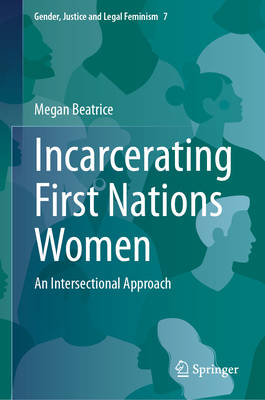
This book presents the complex intersections of race, gender, and colonialism and their profound impact on the incarceration of First Nations women in Australia. By extending Kimberlé Crenshaw's intersectional framework, it addresses the unique and often overlooked experiences of this population. The book explores the intricate relationships between interpersonal, structural, and colonial violence, demonstrating how these forms of violence not only emerge from but also perpetuate existing power structures. By adapting Crenshaw's lens to the specific context of First Nations women, it highlights the intersecting disadvantages of race, gender, and colonialism, offering a fresh and nuanced perspective on the issue of over-incarceration. Central to this analysis is the role of race. Using Critical Race Theory, the book underscores how racial dynamics are integral to understanding the over-incarceration of First Nations people. It also employs Feminist Legal Theory to scrutinize gender as a distinct point of disadvantage for First Nations women, distinguishing their experiences from those of First Nations men and the broader population. The book argues that colonialism must be considered a critical factor in this context. Through the lens of Post-Colonial theory, it examines how colonial legacies continue to influence the over-incarceration of First Nations women. The carceral experiences of these women are situated at the intersections of systemic, colonial, and interpersonal violence, with themes such as biopolitics, necropolitics, and homo sacer providing a deeper understanding of their criminalization and incarceration. By bringing together these diverse theoretical perspectives, the book offers a comprehensive and intersectional analysis of the over-incarceration crisis, shedding light on the unique challenges faced by First Nations women in Australia and advocating for more informed and equitable approaches to justice.
Specificaties
Betrokkenen
- Auteur(s):
- Uitgeverij:
Inhoud
- Aantal bladzijden:
- 174
- Taal:
- Engels
- Reeks:
- Reeksnummer:
- nr. 7
Eigenschappen
- Productcode (EAN):
- 9789819540129
- Verschijningsdatum:
- 1/01/2026
- Uitvoering:
- Hardcover
- Formaat:
- Genaaid
- Afmetingen:
- 155 mm x 235 mm


Alleen bij Standaard Boekhandel
+ 488 punten op je klantenkaart van Standaard Boekhandel
CADEAU


Beoordelingen
We publiceren alleen reviews die voldoen aan de voorwaarden voor reviews. Bekijk onze voorwaarden voor reviews.