


- Afhalen na 1 uur in een winkel met voorraad
- Gratis thuislevering in België vanaf € 30
- Ruim aanbod met 7 miljoen producten
- Afhalen na 1 uur in een winkel met voorraad
- Gratis thuislevering in België vanaf € 30
- Ruim aanbod met 7 miljoen producten





€ 111,95
+ 223 punten
Omschrijving
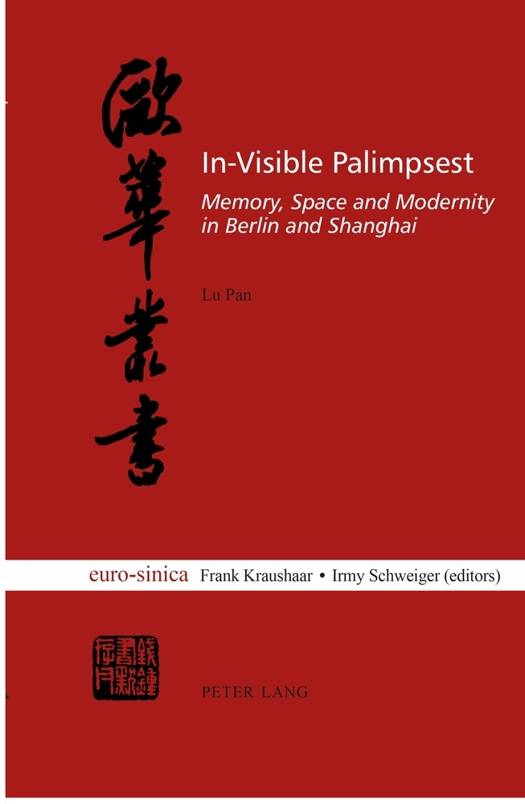
In the early 1990s, Berlin and Shanghai witnessed the dramatic social changes in both national and global contexts. While in 1991 Berlin became the new capital of the reunified Germany, from 1992 Shanghai began to once again play its role as the most powerful engine of economic development in the post-1989 China. This critical moment of history has fundamentally transformed the later development of both cities, above all in terms of urban spatial order. The construction mania in Shanghai and Berlin shares the
similar aspiration of «re-modernizing» themselves. In this sense, the current experience of Shanghai and Berlin informs many of the features of urban modernity in the post-Cold-War era. The book unfolds the complexity of the urban space per se as highly revealing cultural texts. Also this project doesn't examine the spatial changes in chronological terms, but rather takes the present moment as the temporal standing point of this research. By comparing the memory discourse related to these spatial changes, the book poses the question of how modernity is understood in the matrix of local, national and global power struggles.
similar aspiration of «re-modernizing» themselves. In this sense, the current experience of Shanghai and Berlin informs many of the features of urban modernity in the post-Cold-War era. The book unfolds the complexity of the urban space per se as highly revealing cultural texts. Also this project doesn't examine the spatial changes in chronological terms, but rather takes the present moment as the temporal standing point of this research. By comparing the memory discourse related to these spatial changes, the book poses the question of how modernity is understood in the matrix of local, national and global power struggles.
Specificaties
Betrokkenen
- Auteur(s):
- Uitgeverij:
Inhoud
- Aantal bladzijden:
- 291
- Taal:
- Engels
- Reeks:
- Reeksnummer:
- nr. 15
Eigenschappen
- Productcode (EAN):
- 9783034316996
- Verschijningsdatum:
- 7/01/2016
- Uitvoering:
- Paperback
- Formaat:
- Trade paperback (VS)
- Afmetingen:
- 145 mm x 222 mm
- Gewicht:
- 399 g



Alleen bij Standaard Boekhandel
+ 223 punten op je klantenkaart van Standaard Boekhandel
Cadeau

AANGERADEN


Beoordelingen
We publiceren alleen reviews die voldoen aan de voorwaarden voor reviews. Bekijk onze voorwaarden voor reviews.