


- Afhalen na 1 uur in een winkel met voorraad
- Gratis thuislevering in België vanaf € 30
- Ruim aanbod met 7 miljoen producten
- Afhalen na 1 uur in een winkel met voorraad
- Gratis thuislevering in België vanaf € 30
- Ruim aanbod met 7 miljoen producten





€ 162,18
+ 324 punten
Omschrijving
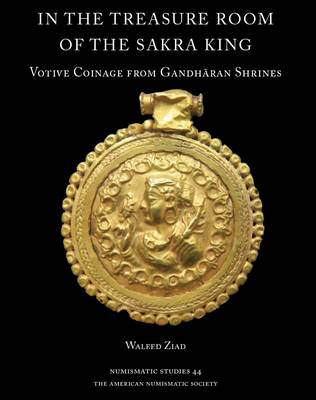
In a lush valley within the Sakra peak in Gandhara (northwestern Pakistan) is a vast limestone cave temple, part of an ancient Hindu sacred complex. For over 700 years, this cluster of shrines minted hundreds of varieties of their own votive coinage - a unique case in Central and South Asia. These were miniscule copper coins, issued for pilgrims, featuring eclectic and original combinations of Greco-Roman, Iranian, Indic, and Islamic iconography. This book examines the native Sakra copper coinage issued from circa 550 to 1100, corresponding to the Nezak, Turk Shahi, Hindu Shahi, and Ghaznavid dynasties. These coins provide a window into what may have been an ecclesiastical administration exercising varying degrees of autonomy throughout its lifetime. They practically blur boundaries between vernacular folk art and monetary instruments serving political or confessional agendas. The book relates both the remarkable story of these coins and the sacred sites, and introduces the obscured history of the most neglected yet formative 500 years of Pakistan and Afghanistan's history. It also offers new paradigms for conceptualizing local currency, the making of religious imagery, and the process of transculturation. Importantly, the Sakra coins issued under Ghaznavid rule overturn popular misconceptions about early Hindu-Muslim encounters, suggesting instead that the Ghaznavids pursued a flexible, negotiated policy with regard to Hindu sacred sites.
Specificaties
Betrokkenen
- Auteur(s):
- Uitgeverij:
Inhoud
- Aantal bladzijden:
- 240
- Taal:
- Engels
- Reeks:
Eigenschappen
- Productcode (EAN):
- 9780897223676
- Verschijningsdatum:
- 29/07/2022
- Uitvoering:
- Hardcover
- Formaat:
- Genaaid
- Afmetingen:
- 216 mm x 279 mm
- Gewicht:
- 1133 g


Alleen bij Standaard Boekhandel
+ 324 punten op je klantenkaart van Standaard Boekhandel

Beoordelingen
We publiceren alleen reviews die voldoen aan de voorwaarden voor reviews. Bekijk onze voorwaarden voor reviews.