


- Afhalen na 1 uur in een winkel met voorraad
- Gratis thuislevering in België vanaf € 30
- Ruim aanbod met 7 miljoen producten
- Afhalen na 1 uur in een winkel met voorraad
- Gratis thuislevering in België vanaf € 30
- Ruim aanbod met 7 miljoen producten





€ 34,95
+ 69 punten
Omschrijving
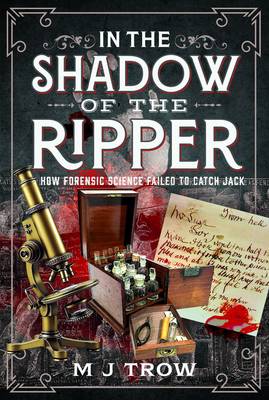
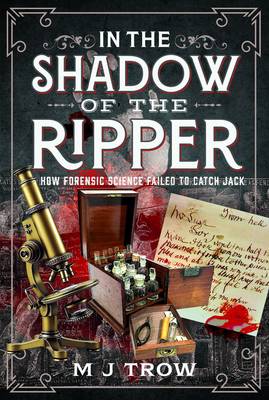
For centuries, the belief that a corpse would bleed anew in the presence of its murderer shaped early crime perception and justice.
For centuries, it was believed that a corpse would 'bleed anew' in the presence of its murderer. Chaucer wrote about it; so did Shakespeare. Only slowly, as the Renaissance and the Age of Reason drove away the shadows of superstition, did forensic science find its feet.
From the Ratlciffe Highway murders of 1811 to the first murder trial with fingerprint technology (the Stratton brothers in 1905), In the Shadow of the Ripper charts the grisly history of crime and focuses on the technological developments that brought real justice just a little closer.
General practitioners, police surgeons, anatomists, chemists and many others argued with each other in spectacular cases like the Ripper murders in 1888, the poisonings of William Palmer, Florence Maybrick and the axe frenzy of Lizzie Borden. And if the expert witnesses disagreed, how were juries, 'twelve men and true', with no scientific knowledge supposed to come to a verdict at a murder trial?
Today, we take forensic science with all its brilliance for granted. In the Shadow of the Ripper looks at how it all began. The Ripper case is a shining example of the fact that it does not matter how many forensic advances are made, a killer in the shadows can sometimes outwit the police and science for over 135 years ... and counting.
For centuries, it was believed that a corpse would 'bleed anew' in the presence of its murderer. Chaucer wrote about it; so did Shakespeare. Only slowly, as the Renaissance and the Age of Reason drove away the shadows of superstition, did forensic science find its feet.
From the Ratlciffe Highway murders of 1811 to the first murder trial with fingerprint technology (the Stratton brothers in 1905), In the Shadow of the Ripper charts the grisly history of crime and focuses on the technological developments that brought real justice just a little closer.
General practitioners, police surgeons, anatomists, chemists and many others argued with each other in spectacular cases like the Ripper murders in 1888, the poisonings of William Palmer, Florence Maybrick and the axe frenzy of Lizzie Borden. And if the expert witnesses disagreed, how were juries, 'twelve men and true', with no scientific knowledge supposed to come to a verdict at a murder trial?
Today, we take forensic science with all its brilliance for granted. In the Shadow of the Ripper looks at how it all began. The Ripper case is a shining example of the fact that it does not matter how many forensic advances are made, a killer in the shadows can sometimes outwit the police and science for over 135 years ... and counting.
Specificaties
Betrokkenen
- Auteur(s):
- Uitgeverij:
Inhoud
- Aantal bladzijden:
- 240
- Taal:
- Engels
Eigenschappen
- Productcode (EAN):
- 9781036144401
- Verschijningsdatum:
- 30/06/2026
- Uitvoering:
- Hardcover
- Formaat:
- Genaaid
- Afmetingen:
- 159 mm x 235 mm
- Gewicht:
- 462 g


Alleen bij Standaard Boekhandel
+ 69 punten op je klantenkaart van Standaard Boekhandel
Cadeau

AANGERADEN


Beoordelingen
We publiceren alleen reviews die voldoen aan de voorwaarden voor reviews. Bekijk onze voorwaarden voor reviews.