


- Afhalen na 1 uur in een winkel met voorraad
- Gratis thuislevering in België vanaf € 30
- Ruim aanbod met 7 miljoen producten
- Afhalen na 1 uur in een winkel met voorraad
- Gratis thuislevering in België vanaf € 30
- Ruim aanbod met 7 miljoen producten





€ 19,45
+ 38 punten
Omschrijving
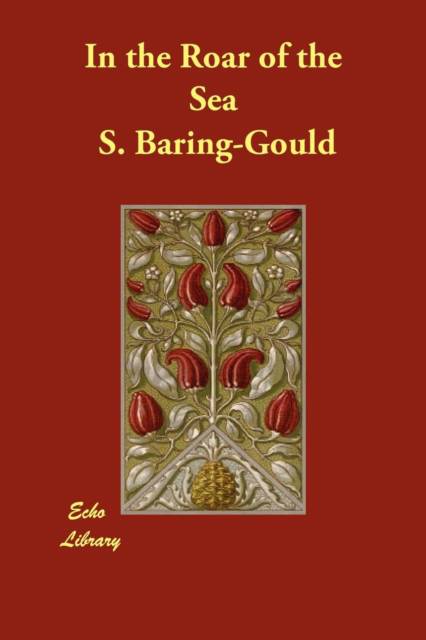
The Reverend Sabine Baring-Gould (1834-1924) of Lew Trenchard in Devon was an Anglican priest, hagiographer, antiquarian, novelist, folk song collector and eclectic scholar, with around 1,250 publications to his name. He is remembered particularly as a hymn writer, the best-known being Onward, Christian Soldiers and Now the Day is Over. He studied at Clare College, Cambridge, earning his BA in 1857 and MA in 1860, and after teaching for a few years took Holy Orders in 1864. While acting as a curate he met and fell in love with Grace Taylor, the 14 year-old daughter of a mill hand. Grace was sent to live with relatives in York for two years to learn middle-class manners and in 1868 the couple were married, a union that lasted 48 years until her death and produced 15 children, all but one of whom survived to adulthood. On his father's death in 1872 Baring-Gould inherited the 3,000 acre family estates of Lew Trenchard which included the gift of the living of the parish. When this became vacant in 1881 he was able to appoint himself to it, thus becoming parson as well as squire. He did a great deal of work restoring St Peter's Church and also remodelled his home, Lew Trenchard Manor. He wrote on a wide range of subjects but considered his principal achievement to be the collection of folk songs he made with the help of the ordinary people of Devon and Cornwall. His Songs and Ballads of the West was published in four parts between 1889-91 and further collections followed, whilst his 16-volume The Lives of the Saints had been published between 1872-77. One of his most enduringly popular works proved to be Curious Myths of the Middle Ages (1866), and his The Book of Were-Wolves (1865) is one of the most frequently cited studies of lycanthropy. He was also the author of numerous novels including In the Roar of the Sea (1891) which follows the travails of the Trevisa family as they struggle to navigate the aftermath of a tragedy.
Specificaties
Betrokkenen
- Auteur(s):
- Uitgeverij:
Inhoud
- Aantal bladzijden:
- 300
- Taal:
- Engels
Eigenschappen
- Productcode (EAN):
- 9781406800647
- Verschijningsdatum:
- 18/12/2012
- Uitvoering:
- Paperback
- Formaat:
- Trade paperback (VS)
- Afmetingen:
- 152 mm x 229 mm
- Gewicht:
- 439 g


Alleen bij Standaard Boekhandel
+ 38 punten op je klantenkaart van Standaard Boekhandel
Cadeau

AANGERADEN


Beoordelingen
We publiceren alleen reviews die voldoen aan de voorwaarden voor reviews. Bekijk onze voorwaarden voor reviews.