


- Afhalen na 1 uur in een winkel met voorraad
- Gratis thuislevering in België vanaf € 30
- Ruim aanbod met 7 miljoen producten
- Afhalen na 1 uur in een winkel met voorraad
- Gratis thuislevering in België vanaf € 30
- Ruim aanbod met 7 miljoen producten





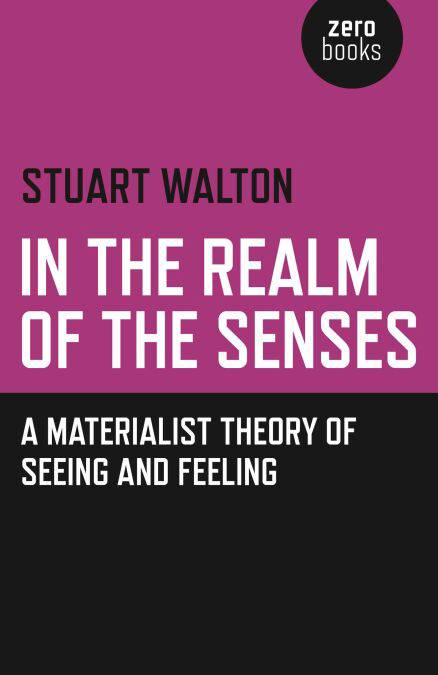
In The Realm of the Senses E-BOOK
A Materialist Theory of Seeing and Feeling
Stuart Walton
E-book | Engels
€ 11,17
+ 11 punten
Omschrijving
The five physical senses of seeing, hearing, smelling, tasting and touching have been held to underpin the complexity of human experience ever since Aristotle first theorised about how they worked. Classical and scholastic philosophy up to the time of the European Enlightenment relegated their operations to its margins, viewing them as at best a distraction from higher thinking, and at worst a positive deception. Paradoxically, what one could not objectively know, the products of the mind, were accorded precedence over the concrete. From the Romantic era onwards, the senses moved to the centre of speculative thought, and the various dialectical currents of philosophy after Hegel made them interdependent with the intellectual function, which was held to derive most or all of its authority from them. This tendency has continued down to the sensualist, hedonist and anti-intellectual currents of our own day. In this theoretical consideration of what has been done to the senses in modern experience, Stuart Walton subjects the life of the senses to a further materialist turn, one that refuses a spiritualisation of the material realm, to which contemporary discourses of the body have often fallen prey, while at the same time preserving sensuality from being delivered once again to a sterile idealism.
Specificaties
Betrokkenen
- Auteur(s):
- Uitgeverij:
Inhoud
- Aantal bladzijden:
- 448
- Taal:
- Engels
Eigenschappen
- Productcode (EAN):
- 9781782790501
- Verschijningsdatum:
- 25/02/2016
- Uitvoering:
- E-book
- Beveiligd met:
- Adobe DRM
- Formaat:
- ePub


Alleen bij Standaard Boekhandel
+ 11 punten op je klantenkaart van Standaard Boekhandel
2+1 GRATIS


Beoordelingen
We publiceren alleen reviews die voldoen aan de voorwaarden voor reviews. Bekijk onze voorwaarden voor reviews.