


- Afhalen na 1 uur in een winkel met voorraad
- Gratis thuislevering in België vanaf € 30
- Ruim aanbod met 7 miljoen producten
- Afhalen na 1 uur in een winkel met voorraad
- Gratis thuislevering in België vanaf € 30
- Ruim aanbod met 7 miljoen producten





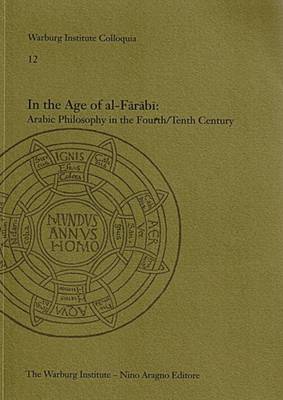
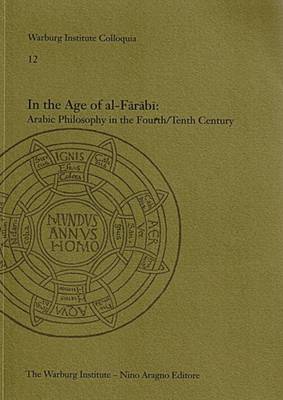
In the Age of Al-Farabi: Arabic Philosophy in the Fourth/Tenth Century
Arabic Philosophy in the Fourth/Tenth Century Volume 12
Peter Adamson
€ 71,45
+ 142 punten
Omschrijving
The papers in this volume were given at a conference held at the Warburg Institute in 2006 to consider the philosophy of al-Farabi alongside other intellectual developments of his time together with a wide range of other figures and traditions from the period. The volume initially focuses on the group of Peripatetics working in Baghdad with al-Farabi's teacher Abu Bishr Matta and his student Yahya ibn 'Adi who worked in the Aristotelian tradition. Other papers look at thinkers working in the Neoplatonic tradition transmitted by al-Kindi's circle, such as al-'Amiri, Ibn Farighun and al-Isfizari. The Epistles of the Brethren of Purity provide compelling evidence of the fusion of Neoplatonism and Greek science with contemporary Islamic religious thought. Neoplatonic ideas also appear in the symbology of Isma'ili thought at this time
Specificaties
Betrokkenen
- Auteur(s):
- Uitgeverij:
Inhoud
- Aantal bladzijden:
- 320
- Taal:
- Engels
- Reeks:
Eigenschappen
- Productcode (EAN):
- 9780854811472
- Verschijningsdatum:
- 1/10/2008
- Uitvoering:
- Paperback
- Formaat:
- Trade paperback (VS)
- Afmetingen:
- 171 mm x 245 mm
- Gewicht:
- 680 g


Alleen bij Standaard Boekhandel
+ 142 punten op je klantenkaart van Standaard Boekhandel
Cadeau

AANGERADEN


Beoordelingen
We publiceren alleen reviews die voldoen aan de voorwaarden voor reviews. Bekijk onze voorwaarden voor reviews.