


- Afhalen na 1 uur in een winkel met voorraad
- Gratis thuislevering in België vanaf € 30
- Ruim aanbod met 7 miljoen producten
- Afhalen na 1 uur in een winkel met voorraad
- Gratis thuislevering in België vanaf € 30
- Ruim aanbod met 7 miljoen producten





€ 13,95
+ 27 punten
Omschrijving
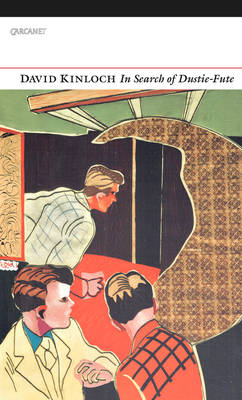
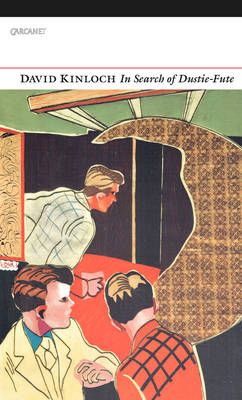
Who is Dustie-Fute? A vagrant, a hawker, a poet. A dustyfooted Scottish Orpheus. A stranger, a migrant, a ghost. In his search for Dustie-Fute, David Kinloch begins amid the Parisian floods of 1910: with the waters rising, a lonely giraffe speaks from the abandoned zoo, witness to what seems the end of the world. Other animals chime in, Dustie-Futes all, a hooved and humped chorus of watery sages. Elsewhere, two young college dudes quote Rilke at each other. Cain's wife, the Virgin Mary and that eternal stepdad St Joseph draw on memories they didn't know they had. In a series of feminist monologues, feisty biblical women seek revenge on their husbands and oppressors, before Dustie-Fute's final incarnation as a Cavafy-reading Syrian refugee. Who is Dustie-Fute? Many are, and many have been. A fellowship of strangers across time: free spirits, survivors. Kinloch's bestiary of forgotten voices spans apocalypse and salvage, elegy and humour. Mythic and erotic, his poems engage ecological disaster, LGBT art and politics, and that great resistance movement, love.
Specificaties
Betrokkenen
- Auteur(s):
- Uitgeverij:
Inhoud
- Aantal bladzijden:
- 80
- Taal:
- Engels
Eigenschappen
- Productcode (EAN):
- 9781784103965
- Verschijningsdatum:
- 1/09/2017
- Uitvoering:
- Paperback
- Formaat:
- Trade paperback (VS)
- Afmetingen:
- 132 mm x 211 mm
- Gewicht:
- 140 g


Alleen bij Standaard Boekhandel
+ 27 punten op je klantenkaart van Standaard Boekhandel
Cadeau

AANGERADEN


Beoordelingen
We publiceren alleen reviews die voldoen aan de voorwaarden voor reviews. Bekijk onze voorwaarden voor reviews.