


- Afhalen na 1 uur in een winkel met voorraad
- Gratis thuislevering in België vanaf € 30
- Ruim aanbod met 7 miljoen producten
- Afhalen na 1 uur in een winkel met voorraad
- Gratis thuislevering in België vanaf € 30
- Ruim aanbod met 7 miljoen producten




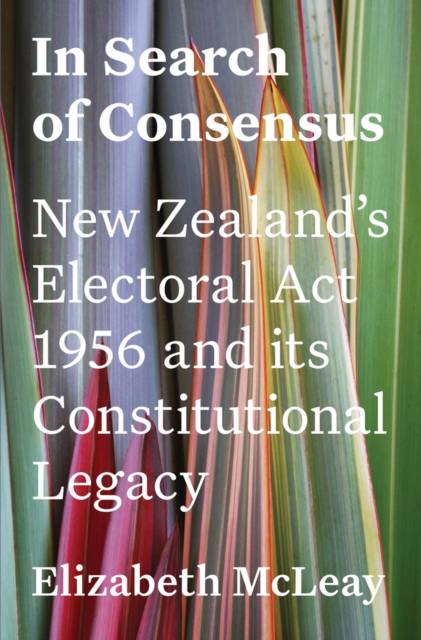
In Search of Consensus
New Zealand's Electoral ACT 1956 and Its Constitutional Legacy
Elizabeth McLeay
Paperback | Engels
€ 44,45
+ 88 punten
Omschrijving
In a series of backroom negotiations in 1956, the National Government and Labour Opposition agreed to put aside adversarial politics temporarily and entrench certain significant electoral rules. For any of these rules to be amended or repealed, Section 189 of the Electoral Act (now Section 268 of the 1993 Act) requires the approval of either three-quarters of all MPs or a majority of electors voting in a referendum. The MPs believed this entrenchment put in place a 'moral' constraint to guide future parliaments - but its status has changed over time. In Search of Consensus tells the story of why and how such a remarkable political settlement happened. It traces and analyses the Act's protected provisions, subsequent fortunes and enduring legacy. As such, it is an important contribution to understanding the contemporary constitution and political culture of Aotearoa New Zealand.
Specificaties
Betrokkenen
- Auteur(s):
- Uitgeverij:
Inhoud
- Aantal bladzijden:
- 256
- Taal:
- Engels
Eigenschappen
- Productcode (EAN):
- 9781776561841
- Verschijningsdatum:
- 1/10/2018
- Uitvoering:
- Paperback
- Formaat:
- Trade paperback (VS)
- Afmetingen:
- 147 mm x 211 mm
- Gewicht:
- 340 g


Alleen bij Standaard Boekhandel
+ 88 punten op je klantenkaart van Standaard Boekhandel
Cadeau

AANGERADEN


Beoordelingen
We publiceren alleen reviews die voldoen aan de voorwaarden voor reviews. Bekijk onze voorwaarden voor reviews.