


- Afhalen na 1 uur in een winkel met voorraad
- Gratis thuislevering in België vanaf € 30
- Ruim aanbod met 7 miljoen producten
- Afhalen na 1 uur in een winkel met voorraad
- Gratis thuislevering in België vanaf € 30
- Ruim aanbod met 7 miljoen producten




€ 9,23
+ 9 punten
Omschrijving
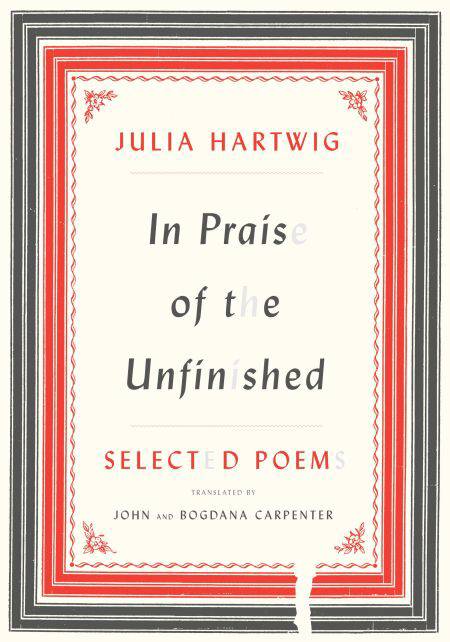
Hailed by Czeslaw Milosz as “the grande dame of Polish poetry” and named “one of the foremost Polish poets of the twentieth century” by Ryszard Kapuscinski, Julia Hartwig has long been considered the gold standard of poetry in her native Poland. With this career-spanning collection, we finally have a book of her work in English.
The tragic story of the last century flows naturally through Hartwig’s poems. She evokes the husbands who returned silent from battle (“What woman was told about the hell at Monte Cassino?”) and asks, “Why didn’t I dance on the Champs-Élysées / when the crowd cheered the end of the war? . . . Why was I fated to be on the main street of Lublin / watching regiments with red stars enter the city.” But there is also a welcoming of new experience in her verse, a sense that life, finally, is too beautiful to condemn. She seeks a higher peace, urging us to hear other voices: “an ermine’s cry, moan of a dove, / complaint of an owl—that remind us / the hardship of solitude is measured out equally.”
Hartwig’s compassionate spirit in the face of destruction and suffering, her apparent need to live in the moment, make her poems monumental and deeply touching and the introduction of her work here long overdue.
Return to My Childhood Home
Amid a dark silence of pines—the shouts of
young birches calling each other.
Everything is as it was. Nothing is as it was.
Speak to me, Lord of the child. Speak,
innocent terror!
To understand nothing. Each time in a different
way, from the first cry to the last breath.
Yet happy moments come to me from the past,
like bridesmaids carrying oil lamps.
The tragic story of the last century flows naturally through Hartwig’s poems. She evokes the husbands who returned silent from battle (“What woman was told about the hell at Monte Cassino?”) and asks, “Why didn’t I dance on the Champs-Élysées / when the crowd cheered the end of the war? . . . Why was I fated to be on the main street of Lublin / watching regiments with red stars enter the city.” But there is also a welcoming of new experience in her verse, a sense that life, finally, is too beautiful to condemn. She seeks a higher peace, urging us to hear other voices: “an ermine’s cry, moan of a dove, / complaint of an owl—that remind us / the hardship of solitude is measured out equally.”
Hartwig’s compassionate spirit in the face of destruction and suffering, her apparent need to live in the moment, make her poems monumental and deeply touching and the introduction of her work here long overdue.
Return to My Childhood Home
Amid a dark silence of pines—the shouts of
young birches calling each other.
Everything is as it was. Nothing is as it was.
Speak to me, Lord of the child. Speak,
innocent terror!
To understand nothing. Each time in a different
way, from the first cry to the last breath.
Yet happy moments come to me from the past,
like bridesmaids carrying oil lamps.
Specificaties
Betrokkenen
- Auteur(s):
- Vertaler(s):
- Uitgeverij:
Inhoud
- Aantal bladzijden:
- 160
- Taal:
- Engels
Eigenschappen
- Productcode (EAN):
- 9780307496102
- Verschijningsdatum:
- 6/11/2012
- Uitvoering:
- E-book
- Beveiligd met:
- Adobe DRM
- Formaat:
- ePub


Alleen bij Standaard Boekhandel
+ 9 punten op je klantenkaart van Standaard Boekhandel
CADEAU

AANGERADEN


Beoordelingen
We publiceren alleen reviews die voldoen aan de voorwaarden voor reviews. Bekijk onze voorwaarden voor reviews.