


- Afhalen na 1 uur in een winkel met voorraad
- Gratis thuislevering in België vanaf € 30
- Ruim aanbod met 7 miljoen producten
- Afhalen na 1 uur in een winkel met voorraad
- Gratis thuislevering in België vanaf € 30
- Ruim aanbod met 7 miljoen producten





€ 169,45
+ 338 punten
Eenvoudig bestellen
Veilig betalen


Gratis thuislevering vanaf € 30 (via bpost)
Gratis levering in je Standaard Boekhandel
Omschrijving
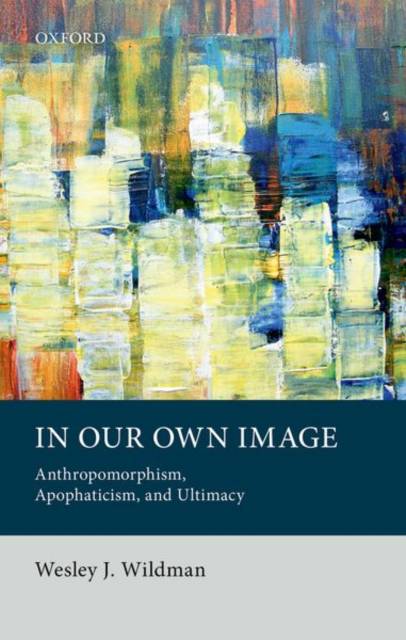
In Our Own Image is a work of comparative philosophical theology. It is a study of the roles anthropomorphism and apophaticism play in the construction of conceptual models of ultimate reality. Leading scholar Wesley J. Wildman considers whether we create our ideas of God. He offers a comparative analysis of three major classes of ultimacy models, paying particular attention to the way those classes are impacted by anthropomorphism while tracing their relative strengths and weaknesses. Wildman provides a constructive theological argument on behalf of an apophatic understanding of ultimate reality, showing how this understanding subsumes, challenges, and relates ultimacy models from the three classes being compared. He describes and compares competing ultimacy models, fairly and sympathetically. The conclusion is that all models cognitively break on the shoals of ultimate reality, but that the ground-of-being class of models carries us further than the others in regard to the comparative criteria that matter most.
Specificaties
Betrokkenen
- Auteur(s):
- Uitgeverij:
Inhoud
- Aantal bladzijden:
- 272
- Taal:
- Engels
Eigenschappen
- Productcode (EAN):
- 9780198815990
- Verschijningsdatum:
- 21/02/2018
- Uitvoering:
- Hardcover
- Formaat:
- Genaaid
- Afmetingen:
- 145 mm x 218 mm
- Gewicht:
- 476 g


Alleen bij Standaard Boekhandel
+ 338 punten op je klantenkaart van Standaard Boekhandel
CADEAU

AANGERADEN


Beoordelingen
We publiceren alleen reviews die voldoen aan de voorwaarden voor reviews. Bekijk onze voorwaarden voor reviews.