


- Afhalen na 1 uur in een winkel met voorraad
- Gratis thuislevering in België vanaf € 30
- Ruim aanbod met 7 miljoen producten
- Afhalen na 1 uur in een winkel met voorraad
- Gratis thuislevering in België vanaf € 30
- Ruim aanbod met 7 miljoen producten





Omschrijving
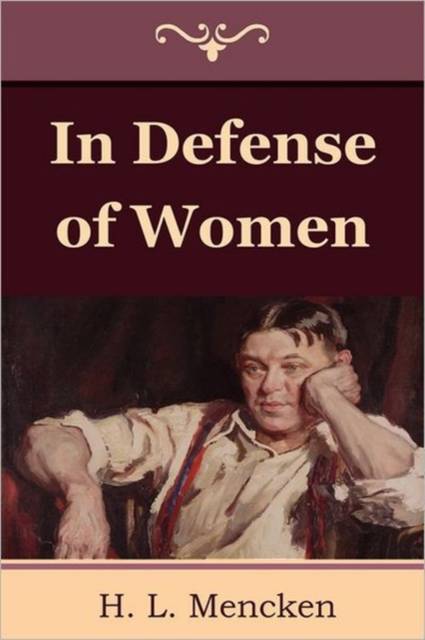
In Defense of Women is H. L. Mencken's 1918 book on women and the relationship between the sexes. Some laud the book as progressive while others brand it as reactionary. While Mencken did not champion women's rights, he described women as wiser in many novel and observable ways, while demeaning average men. According to Mencken's biographer, Fred Hobson: "Depending on the position of the reader, he was either a great defender of women's rights or, as a critic labelled him in 1916, 'the greatest misogynist since Schopenhauer', 'the country's high-priest of woman-haters.'" The original goal of Defense was to help clarify Mencken's views on women, garnered from an inconsistent and confusing reputation in newspaper columns, various reviews, and several plays. Along with Marion Bloom and Kay Laurell, Mencken gathered material for his book not from libraries and universities, but from saloons and hotels. The original title for Defense was A Book for Men Only, but other working titles included The Eternal Feminine as well as The Infernal Feminine. (wikipedia.org)
Specificaties
Betrokkenen
- Auteur(s):
- Uitgeverij:
Inhoud
- Aantal bladzijden:
- 126
- Taal:
- Engels
Eigenschappen
- Productcode (EAN):
- 9781604445374
- Verschijningsdatum:
- 15/06/2011
- Uitvoering:
- Paperback
- Formaat:
- Trade paperback (VS)
- Afmetingen:
- 152 mm x 229 mm
- Gewicht:
- 195 g


Alleen bij Standaard Boekhandel
+ 16 punten op je klantenkaart van Standaard Boekhandel
Cadeau

AANGERADEN


Beoordelingen
We publiceren alleen reviews die voldoen aan de voorwaarden voor reviews. Bekijk onze voorwaarden voor reviews.