


- Afhalen na 1 uur in een winkel met voorraad
- Gratis thuislevering in België vanaf € 30
- Ruim aanbod met 7 miljoen producten
- Afhalen na 1 uur in een winkel met voorraad
- Gratis thuislevering in België vanaf € 30
- Ruim aanbod met 7 miljoen producten




€ 47,45
+ 94 punten
Omschrijving
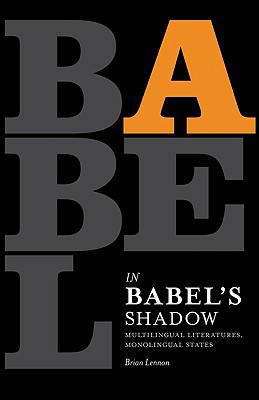
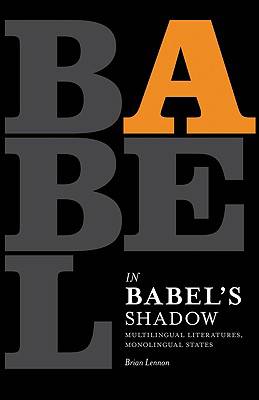
Multilingual literature defies simple translation. Beginning with this insight, Brian Lennon examines the resistance multilingual literature offers to book publication itself. In readings of G. V. Desani's All about H. Hatterr, Anthony Burgess's A Clockwork Orange, Christine Brooke-Rose's Between, Eva Hoffman's Lost in Translation, Emine Sevgi Özdamar's Mutterzunge, and Orhan Pamuk's Istanbul, among other works, Lennon shows how nationalized literary print culture inverts the values of a transnational age, reminding us that works of literature are, above all, objects in motion. Looking closely at the limit of both multilingual literary expression and the literary journalism, criticism, and scholarship that comments on multilingual work, In Babel's Shadow presents a critical reflection on the fate of literature in a world gripped by the crisis of globalization.
Specificaties
Betrokkenen
- Auteur(s):
- Uitgeverij:
Inhoud
- Aantal bladzijden:
- 256
- Taal:
- Engels
Eigenschappen
- Productcode (EAN):
- 9780816665020
- Verschijningsdatum:
- 9/07/2010
- Uitvoering:
- Paperback
- Formaat:
- Trade paperback (VS)
- Afmetingen:
- 140 mm x 213 mm
- Gewicht:
- 385 g


Alleen bij Standaard Boekhandel
+ 94 punten op je klantenkaart van Standaard Boekhandel
Cadeau

AANGERADEN


Beoordelingen
We publiceren alleen reviews die voldoen aan de voorwaarden voor reviews. Bekijk onze voorwaarden voor reviews.