


- Afhalen na 1 uur in een winkel met voorraad
- Gratis thuislevering in België vanaf € 30
- Ruim aanbod met 7 miljoen producten
- Afhalen na 1 uur in een winkel met voorraad
- Gratis thuislevering in België vanaf € 30
- Ruim aanbod met 7 miljoen producten





€ 50,45
+ 100 punten
Omschrijving
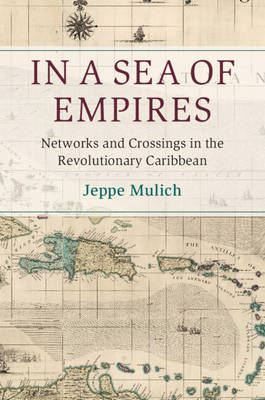
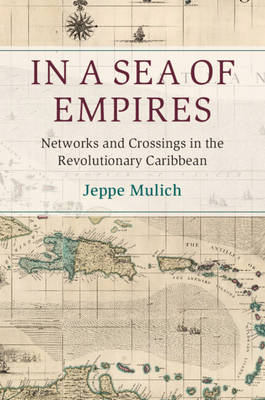
At the turn of the nineteenth century, the Caribbean was rife with revolutionary fervor and political turmoil. Yet, with such upheaval came unparalleled opportunities. In this innovative and richly detailed study, Jeppe Mulich explores the interconnected nature of imperial politics and colonial law in the maritime borderlands of the Leeward Islands, where British, Danish, Dutch, French, Spanish, and Swedish colonies both competed and cooperated with one another. By exploring the transnational networks involved in trade, slavery, smuggling, privateering, and marronage, he offers a new account of the age of revolutions in the Caribbean, emphasizing the border-crossing nature of life in the region. By approaching major shifts in politics, economy, and law from the bottom-up, a new story of early nineteenth-century globalization emerges - one that emphasizes regional integration and a multiplicity of intersecting networks.
Specificaties
Betrokkenen
- Auteur(s):
- Uitgeverij:
Inhoud
- Aantal bladzijden:
- 218
- Taal:
- Engels
- Reeks:
Eigenschappen
- Productcode (EAN):
- 9781108747479
- Verschijningsdatum:
- 20/10/2022
- Uitvoering:
- Paperback
- Formaat:
- Trade paperback (VS)
- Afmetingen:
- 152 mm x 229 mm
- Gewicht:
- 299 g


Alleen bij Standaard Boekhandel
+ 100 punten op je klantenkaart van Standaard Boekhandel
AANGERADEN


Beoordelingen
We publiceren alleen reviews die voldoen aan de voorwaarden voor reviews. Bekijk onze voorwaarden voor reviews.