


- Afhalen na 1 uur in een winkel met voorraad
- Gratis thuislevering in België vanaf € 30
- Ruim aanbod met 7 miljoen producten
- Afhalen na 1 uur in een winkel met voorraad
- Gratis thuislevering in België vanaf € 30
- Ruim aanbod met 7 miljoen producten





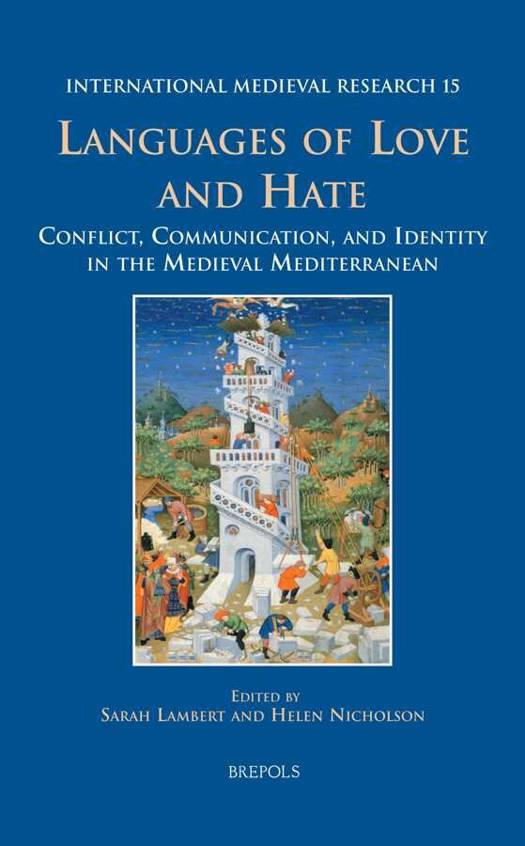
Imr 15 Languages of Love and Hate, Lambert
Conflict, Communication, and Identity in the Medieval Mediterranean
Sarah Lambert
€ 100,70
+ 201 punten
Omschrijving
This book probes the nature of the clash of cultures as a process of identification and classification of the unknown. 'There is no world of thought that is not a world of language and one sees of the world only what is provided for by language' (Walter Benjamin, 1936). In the medieval Mediterranean, cultural groups were frequently labelled, fixed, and identified by language, and these linguistic groupings were consistently in states of conflict and/or exchange. This collection explores various expressions of cultural clash and exchange, and examines some of the ways in which language was used to express difference, to mark out cultural difference, and to further label those cultures - often as alien and inferior, but sometimes as different and worthy of respect. This theme unites scholars coming from a range of perspectives and engaging with a whole series of cultural interchanges and conflicts. It brings together work on a wide range of peoples - Latins, Byzantines, Muslims, and Jews - commenting on and writing about each other, as well as a wide variety of different genres, from theology to farce. This volume seeks to offer a broad and wide-ranging approach to understanding the world at the time of the crusades through the words of participants and observers.
Specificaties
Betrokkenen
- Auteur(s):
- Uitgeverij:
Inhoud
- Aantal bladzijden:
- 316
- Taal:
- Engels
- Reeks:
- Reeksnummer:
- nr. 15
Eigenschappen
- Productcode (EAN):
- 9782503520643
- Verschijningsdatum:
- 31/07/2012
- Uitvoering:
- Hardcover
- Formaat:
- Genaaid
- Afmetingen:
- 160 mm x 239 mm
- Gewicht:
- 657 g


Alleen bij Standaard Boekhandel
+ 201 punten op je klantenkaart van Standaard Boekhandel
Cadeau

AANGERADEN


Beoordelingen
We publiceren alleen reviews die voldoen aan de voorwaarden voor reviews. Bekijk onze voorwaarden voor reviews.