



Je cadeautjes zeker op tijd in huis hebben voor de feestdagen? Kom langs in onze winkels en vind het perfecte geschenk!
- Afhalen na 1 uur in een winkel met voorraad
- Gratis thuislevering in België vanaf € 30
- Ruim aanbod met 7 miljoen producten
Je cadeautjes zeker op tijd in huis hebben voor de feestdagen? Kom langs in onze winkels en vind het perfecte geschenk!
- Afhalen na 1 uur in een winkel met voorraad
- Gratis thuislevering in België vanaf € 30
- Ruim aanbod met 7 miljoen producten





€ 88,45
+ 176 punten
Uitvoering
Omschrijving
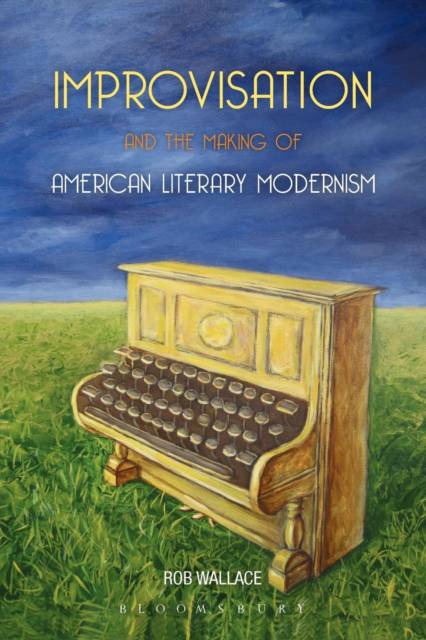
This title explores the concept and practice of improvisation in literary modernism and the interconnections between American literature and music. Improvisation, despite its almost ubiquitous presence in many art forms, is notoriously misunderstood and mysterious. Although earlier strands of American philosophy and art emphasized what might be called improvisational practices, it was during the modernist period that improvisational practice and theory began to make a significant impact on art and culture, specifically via the African American musical forms of jazz and blues. This musical development held important consequences for the larger artistic, cultural, and political life of America as a whole - and, eventually, the world. The historical convergence of jazz and philosophical currents like pragmatism in American culture provides the framework for Wallace's discussion of improvisation in literary modernism. Focusing on poets ranging from Gertrude Stein to Langston Hughes, Wallace's work provides a fresh perspective on the complex circuits of modernist culture. "Improvisation and The Making of American Literary Modernism" will be of interest to scholars of poetry, music, American and modernist studies, and race and ethnic studies.
Specificaties
Betrokkenen
- Auteur(s):
- Uitgeverij:
Inhoud
- Aantal bladzijden:
- 216
- Taal:
- Engels
Eigenschappen
- Productcode (EAN):
- 9781441113757
- Verschijningsdatum:
- 24/05/2012
- Uitvoering:
- Paperback
- Formaat:
- Trade paperback (VS)
- Afmetingen:
- 156 mm x 234 mm
- Gewicht:
- 299 g



Alleen bij Standaard Boekhandel
+ 176 punten op je klantenkaart van Standaard Boekhandel
CADEAU


Beoordelingen
We publiceren alleen reviews die voldoen aan de voorwaarden voor reviews. Bekijk onze voorwaarden voor reviews.