


- Afhalen na 1 uur in een winkel met voorraad
- Gratis thuislevering in België vanaf € 30
- Ruim aanbod met 7 miljoen producten
- Afhalen na 1 uur in een winkel met voorraad
- Gratis thuislevering in België vanaf € 30
- Ruim aanbod met 7 miljoen producten





Improving Drug Safety -- A Joint Responsibility
€ 181,95
+ 363 punten
Omschrijving
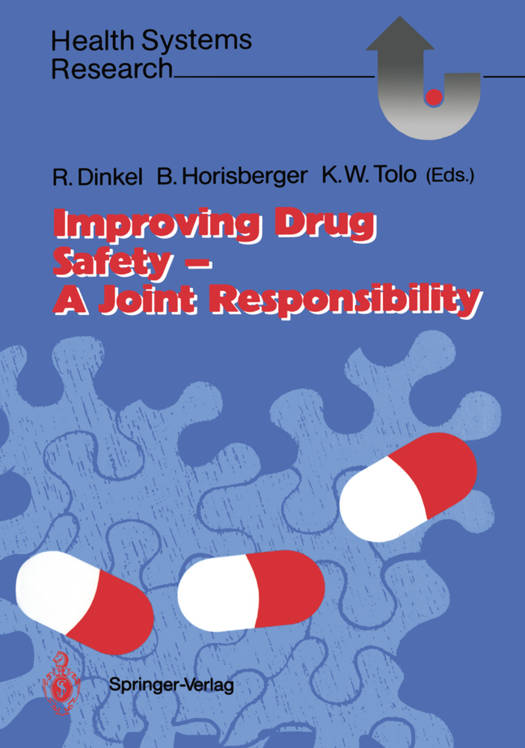
As the focus on pharmaceuticals has broadened from concern for their cost and effectiveness to their real and potential risks and benefits, a critical question has been raised: whose responsibility is it to improve drug safety? In April 1990, this question became the theme for a conference at Wolfsberg, Switzerland, near the shores of Lake Constance. Called an "international dialogue conference" by its organizers, the meeting brought together leaders from the pharmaceutical industry, regulatory authorities, academia, medicine, consumer organizations and the media. Opening addresses were given by representatives of the Council for International Organizations of Medical Sciences (CIOMS), the International Federation of Pharmaceutical Manufacturers Associations (IFPMA), the Swiss International Pharmaceutical Agency, and the RAD-AR Consortium. This book documents the papers presented and discussions held at this conference, which took the topic of risks and benefits of drug therapy one step further to responsibility. It includes a rich menu of issues for those who care about the evaluation of drug therapy, the ethics behind it, the expectations of the patient, and the role of traditional and nontraditional drug safety communica- tions. The ideas expressed here come from different parts of the world but relate to common drug safety problems, observations, and scientific assessments; they provide insights into innovative approaches, cautious changes, and desired actions. The papers in this volume are broadly divided into conceptual perspectives (ethics, how the knowledge about drug risks and benefits is generated and appraised, the expectations in drug safety) and operational perspectives (communication, discussion, and action).
Specificaties
Betrokkenen
- Uitgeverij:
Inhoud
- Aantal bladzijden:
- 338
- Taal:
- Engels
- Reeks:
Eigenschappen
- Productcode (EAN):
- 9783642647628
- Verschijningsdatum:
- 26/09/2011
- Uitvoering:
- Paperback
- Formaat:
- Trade paperback (VS)
- Afmetingen:
- 170 mm x 244 mm
- Gewicht:
- 580 g

Alleen bij Standaard Boekhandel
+ 363 punten op je klantenkaart van Standaard Boekhandel
CADEAU


Beoordelingen
We publiceren alleen reviews die voldoen aan de voorwaarden voor reviews. Bekijk onze voorwaarden voor reviews.