


- Afhalen na 1 uur in een winkel met voorraad
- Gratis thuislevering in België vanaf € 30
- Ruim aanbod met 7 miljoen producten
- Afhalen na 1 uur in een winkel met voorraad
- Gratis thuislevering in België vanaf € 30
- Ruim aanbod met 7 miljoen producten





Omschrijving
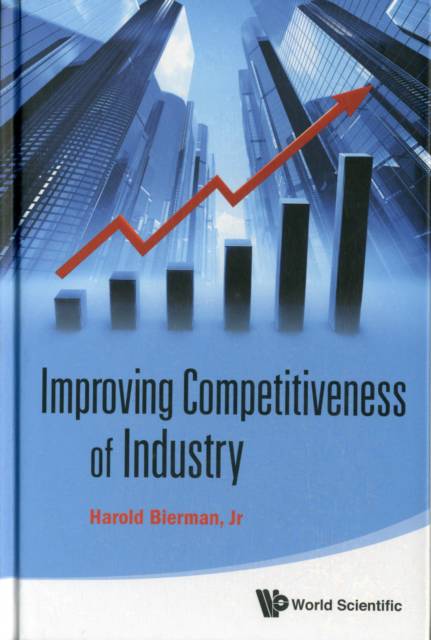
As the twenty-first century begins, the world finds itself with a wide range of possible economic futures. Many corporations find it difficult to compete in international markets with the result being shrinking revenue. Too many governments utilize an excessively high percentage of their nation's goods and services.In the past, some countries could afford to have a less than perfect tax system. However, wage and other labor rigidities (work rules) handcuff management. Management has become pre-occupied with non-productive pursuits, and numerous other sources of inefficiency.The objective of this book is to suggest several revisions in institutional structure, management techniques and rewards, and a drastic change in how hourly labor is compensated. The suggestions offered are applicable to any economy where decisions have to be made as to how to organize the factors of production most efficiently. It is therefore essential reading for policymakers, human resource management and accountant management.
Specificaties
Betrokkenen
- Auteur(s):
- Uitgeverij:
Inhoud
- Aantal bladzijden:
- 144
- Taal:
- Engels
Eigenschappen
- Productcode (EAN):
- 9789814335973
- Verschijningsdatum:
- 13/06/2011
- Uitvoering:
- Hardcover
- Formaat:
- Genaaid
- Afmetingen:
- 155 mm x 229 mm
- Gewicht:
- 408 g


Alleen bij Standaard Boekhandel
+ 177 punten op je klantenkaart van Standaard Boekhandel
CADEAU


Beoordelingen
We publiceren alleen reviews die voldoen aan de voorwaarden voor reviews. Bekijk onze voorwaarden voor reviews.