


- Afhalen na 1 uur in een winkel met voorraad
- Gratis thuislevering in België vanaf € 30
- Ruim aanbod met 7 miljoen producten
- Afhalen na 1 uur in een winkel met voorraad
- Gratis thuislevering in België vanaf € 30
- Ruim aanbod met 7 miljoen producten





€ 169,95
+ 339 punten
Omschrijving
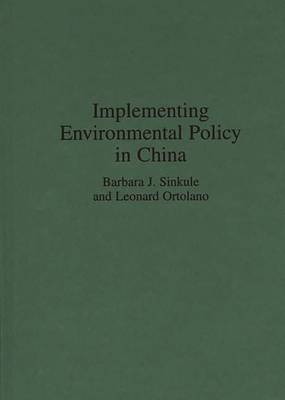
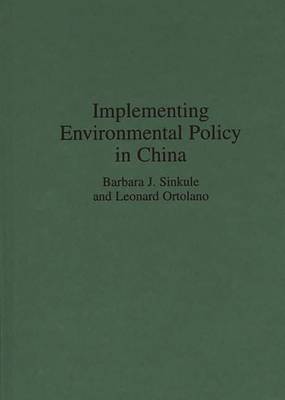
In the 1980s, China established its first systems of environmental management collectively known as the three magic weapons: environmental impact assessment, pollutant discharge fees, and the three synchronizations. The authors explore the successes and failures of these systems through actual investigation of individual factories. They also examine the key agencies that implement environmental policy and their responsibilities to both leaders of local government and China's National Environmental Protection Agency. Their findings provide intriguing insights into the broader issues of environmental goals and priorities in developing countries, and the roles of both government agencies and entrepreneurs in policy implementation.
Specificaties
Betrokkenen
- Auteur(s):
- Uitgeverij:
Inhoud
- Aantal bladzijden:
- 248
- Taal:
- Engels
- Reeks:
Eigenschappen
- Productcode (EAN):
- 9780275949808
- Verschijningsdatum:
- 15/08/1995
- Uitvoering:
- Hardcover
- Formaat:
- Genaaid
- Afmetingen:
- 152 mm x 229 mm
- Gewicht:
- 535 g


Alleen bij Standaard Boekhandel
+ 339 punten op je klantenkaart van Standaard Boekhandel

Beoordelingen
We publiceren alleen reviews die voldoen aan de voorwaarden voor reviews. Bekijk onze voorwaarden voor reviews.