


- Afhalen na 1 uur in een winkel met voorraad
- Gratis thuislevering in België vanaf € 30
- Ruim aanbod met 7 miljoen producten
- Afhalen na 1 uur in een winkel met voorraad
- Gratis thuislevering in België vanaf € 30
- Ruim aanbod met 7 miljoen producten





€ 86,45
+ 172 punten
Omschrijving
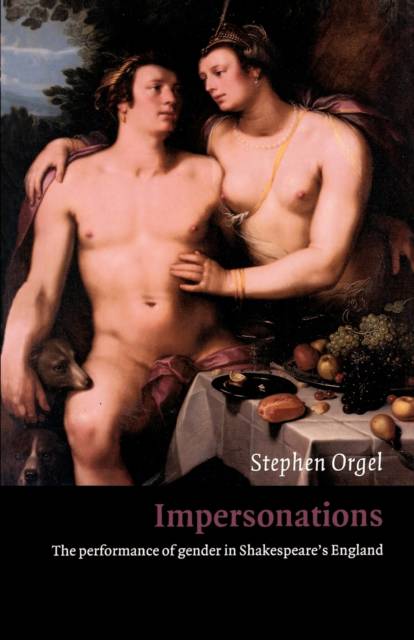
Why was England the only country in Europe to maintain an all-male public theater in the Renaissance? Stephen Orgel uses this question as the starting point of a fresh and stimulating exploration of the representation of gender in Elizabethan drama and society. At once provocative and witty, lucid and stylish, Impersonations will reshape our understanding of the Renaissance theater, and make us rethink our own inadequate categories of gender, power and sexuality.
Specificaties
Betrokkenen
- Auteur(s):
- Uitgeverij:
Inhoud
- Aantal bladzijden:
- 196
- Taal:
- Engels
Eigenschappen
- Productcode (EAN):
- 9780521568425
- Verschijningsdatum:
- 29/02/1996
- Uitvoering:
- Paperback
- Formaat:
- Trade paperback (VS)
- Afmetingen:
- 139 mm x 216 mm
- Gewicht:
- 254 g


Alleen bij Standaard Boekhandel
+ 172 punten op je klantenkaart van Standaard Boekhandel
Cadeau

AANGERADEN


Beoordelingen
We publiceren alleen reviews die voldoen aan de voorwaarden voor reviews. Bekijk onze voorwaarden voor reviews.