


- Afhalen na 1 uur in een winkel met voorraad
- Gratis thuislevering in België vanaf € 30
- Ruim aanbod met 7 miljoen producten
- Afhalen na 1 uur in een winkel met voorraad
- Gratis thuislevering in België vanaf € 30
- Ruim aanbod met 7 miljoen producten





€ 2,99
+ 2 punten
Omschrijving
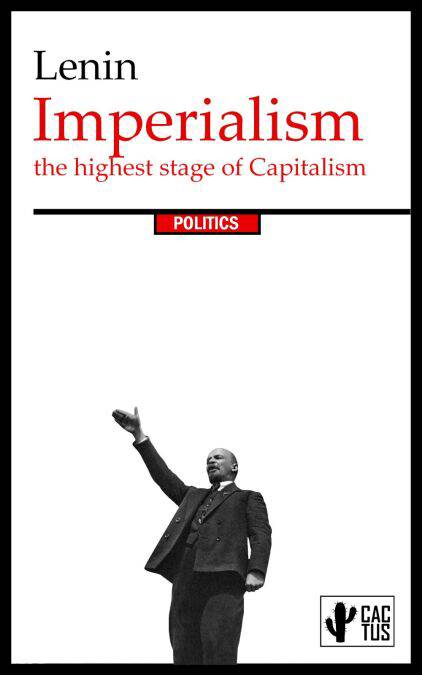
In this trenchant polemic, written in 1916 during the First World War, V.I. Lenin argues that imperialism is not merely a policy of choice for capitalist states but an inevitable, historical stage in the development of capitalism itself. Building upon the economic theories of Marx and the insights of his contemporaries like Hobson and Hilferding, Lenin dissects the core features of this new era: the dominance of finance capital and monopolies, the export of capital superseding the export of goods, the territorial division of the world among industrial powers, and the resulting rivalry that leads to catastrophic war.
Far from a dry economic treatise, Imperialism, The Highest Stage of Capitalism is a powerful political call to action. Lenin contends that this parasitic, decaying, and moribund capitalism creates the objective conditions for its own overthrow. He directly links the immense profits extracted from colonies to the rise of a privileged "labour aristocracy" in the imperialist nations, explaining the failure of the European working class to revolt. For Lenin, understanding imperialism was the key to unlocking revolutionary strategy in the modern world.
Provocative, controversial, and relentlessly logical, this foundational text of Marxist thought remains essential reading for anyone seeking to understand the historical forces of global conflict, economic inequality, and the enduring dynamics of the world system.
Far from a dry economic treatise, Imperialism, The Highest Stage of Capitalism is a powerful political call to action. Lenin contends that this parasitic, decaying, and moribund capitalism creates the objective conditions for its own overthrow. He directly links the immense profits extracted from colonies to the rise of a privileged "labour aristocracy" in the imperialist nations, explaining the failure of the European working class to revolt. For Lenin, understanding imperialism was the key to unlocking revolutionary strategy in the modern world.
Provocative, controversial, and relentlessly logical, this foundational text of Marxist thought remains essential reading for anyone seeking to understand the historical forces of global conflict, economic inequality, and the enduring dynamics of the world system.
Specificaties
Betrokkenen
- Auteur(s):
- Uitgeverij:
Inhoud
- Taal:
- Engels
Eigenschappen
- Productcode (EAN):
- 9791256796410
- Verschijningsdatum:
- 29/01/2026
- Uitvoering:
- E-book
- Beveiligd met:
- Digital watermarking
- Formaat:
- ePub


Alleen bij Standaard Boekhandel
+ 2 punten op je klantenkaart van Standaard Boekhandel
Cadeau

AANGERADEN


Beoordelingen
We publiceren alleen reviews die voldoen aan de voorwaarden voor reviews. Bekijk onze voorwaarden voor reviews.